 Learn Arabic
Every Muslim parent wants their child to love Allah, know the Prophet ﷺ, and carry Islamic values with confidence. Yet between busy schedules, short attention spans, and the competition of screens, traditional teaching methods often fall flat.
A kids’ Islamic poem does what a lecture cannot: it wraps faith into rhythm, rhyme, and melody — the exact formats children’s brains are built to absorb and remember. The result is a child who doesn’t just memorize facts about Islam but internalizes its values naturally, joyfully, and for life.
This guide offers practical examples of Islamic poems for children, guides on selecting the right ones, and suggests ways to utilize them at home as a complement to Islamic education and to help reinforce Islamic values in children.
Best Kids Islamic Poems
There is a variety of kids’ Islamic poems through many online channels. Parents should pay attention and search carefully for the right poems that enrich their children’s Aqeeda, support them during their life journey, and become a suitable tool for upholding their Islamic values.
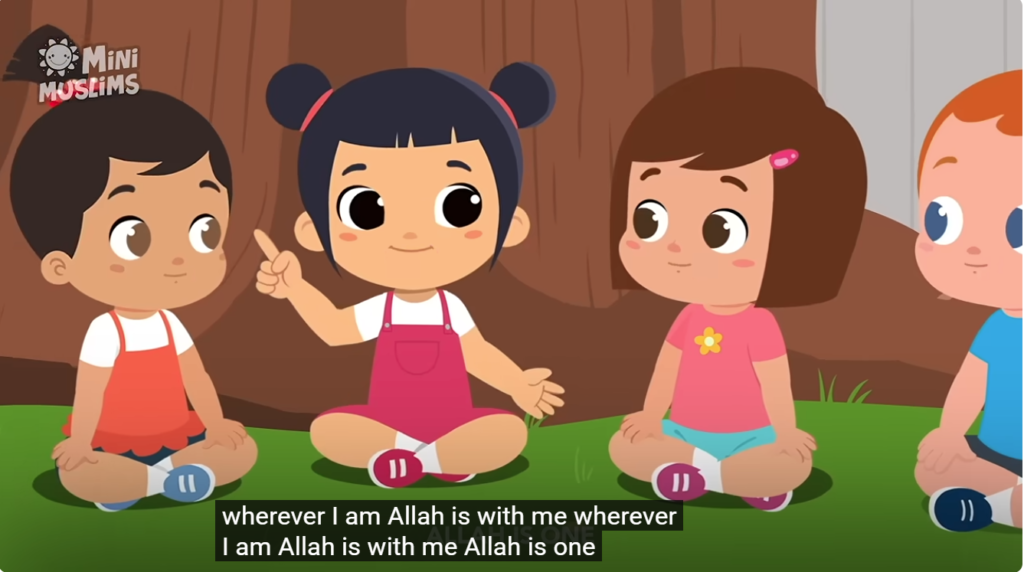
1. Allah Is One
The Islamic poem “Allah is One” helps Muslim children understand the fundamental belief in the Oneness of Allah. It encourages them to recognize Allah as the Creator by observing the sun, moon, stars, animals, plants, and other wonders of creation.
The simple lyrics remind children that Allah always sees and hears them, strengthening their awareness of Him. Its repetition makes important Islamic beliefs easy for young children to understand and remember. The poem also inspires gratitude by encouraging children to appreciate the many blessings Allah has created for them. Through its engaging message, children develop stronger faith, love for Allah, and appreciation for His wonderful creation.
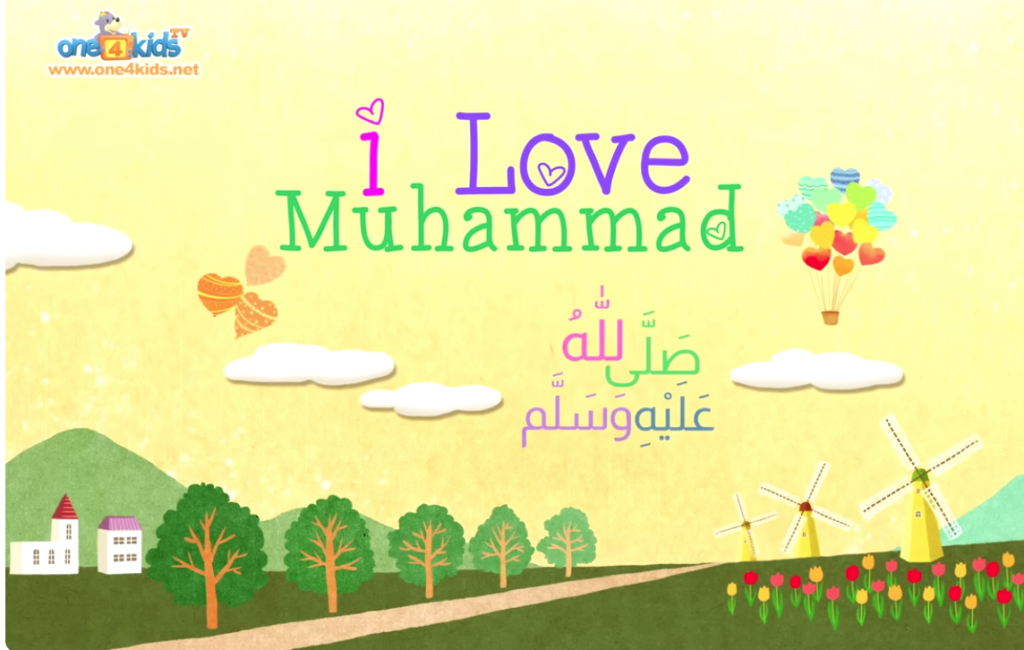
2. I Love Muhammad
The Islamic poem “I Love Muhammad” helps Muslim children develop love for Prophet Muhammad ﷺ and his beautiful teachings. It introduces important Islamic practices, such as prayer and Wudu, simply and memorably. The poem encourages children to be truthful, smile, help others, and respect their parents and elders. It also teaches kindness toward neighbours, animals, and the environment. Its repetition makes these valuable lessons easy for young children to remember and practise. Through the poem, children learn that loving Prophet Muhammad ﷺ means following his good example in everyday life.
Read also: Islamic Hadiths for Kids
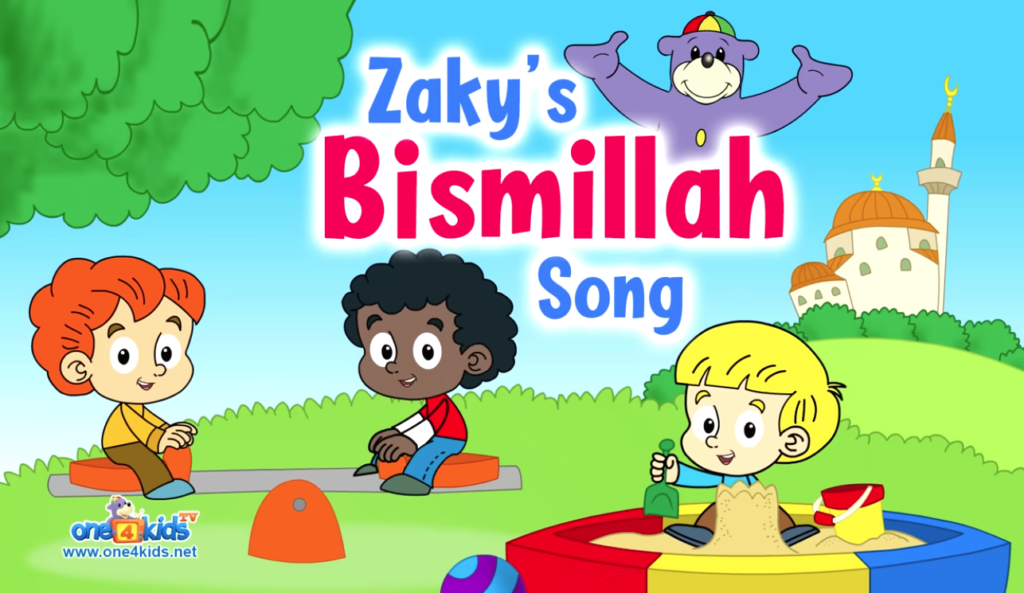
3. Bismillah
The Islamic poem “Zaky’s BISMILLAH Song” teaches Muslim children to remember Allah throughout their daily activities. It shows them how saying Bismillah can become a natural habit before eating, studying, playing, travelling, and worshipping.
The simple lyrics connect the remembrance of Allah with familiar situations children experience every day. Its repetition makes Bismillah easy for young children to learn, remember, and practise.
The song also encourages children to rely on Allah while doing their best in everything they do. Through its cheerful message, children learn to begin their everyday actions with faith, gratitude, and remembrance of Allah.
Read also: Islamic Manners for Kids
Read also: How to Teach Kids Arabic? – A Step-by-Step Parent’s Guide
See Our Classes in Action!
Wondering what a typical lesson looks like? Take a peek inside our virtual classrooms below to see how our patient teachers keep students smiling, engaged, and learning every step of the way.
Start Your Child’s Quran Learning Journey Today!
Join Kids Learning Quran Academy and help your child read the Quran with confidence through fun and guided lessons.
Book a Free Trial Class4. Your Mother
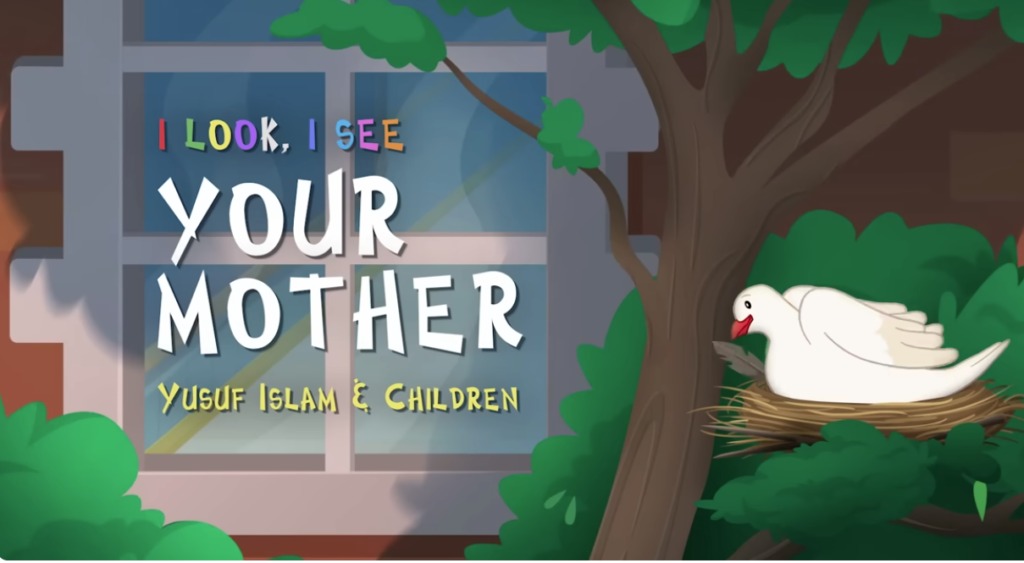
The poem “Your Mother” teaches Muslim children the special place a mother holds in Islam. Inspired by the Prophet Muhammad’s ﷺ hadith, it reminds children that their mother deserves their greatest kindness and respect. The poem helps children understand the importance of gratitude for their mother’s love, care, and sacrifices. Its simple and memorable words make this important Islamic teaching easier for young minds to understand. It also encourages children to show love, obedience, and good manners toward both their mother and father. Through poetry, children can carry this beautiful Prophetic teaching into their everyday lives.
5. The Dhikr Song (SubhanAllah)
The Islamic poem “The Dhikr Song (SubhanAllah)” helps Muslim children learn and remember important words of Dhikr engagingly. It encourages them to praise Allah and remember Him during both peaceful and difficult moments in life. The poem teaches children to notice Allah’s mercy and blessings through the beauty of nature and the world around them. It also reminds them to seek Allah’s guidance when facing challenges, confusion, or uncertainty. Its repeated Dhikr phrases make remembrance of Allah easier to memorize and practise regularly. Through its meaningful message, children can strengthen their faith, gratitude, and connection with Allah.
Read also: Teaching Children Islam – A Practical Guide for Muslim Parents

6. I Pray
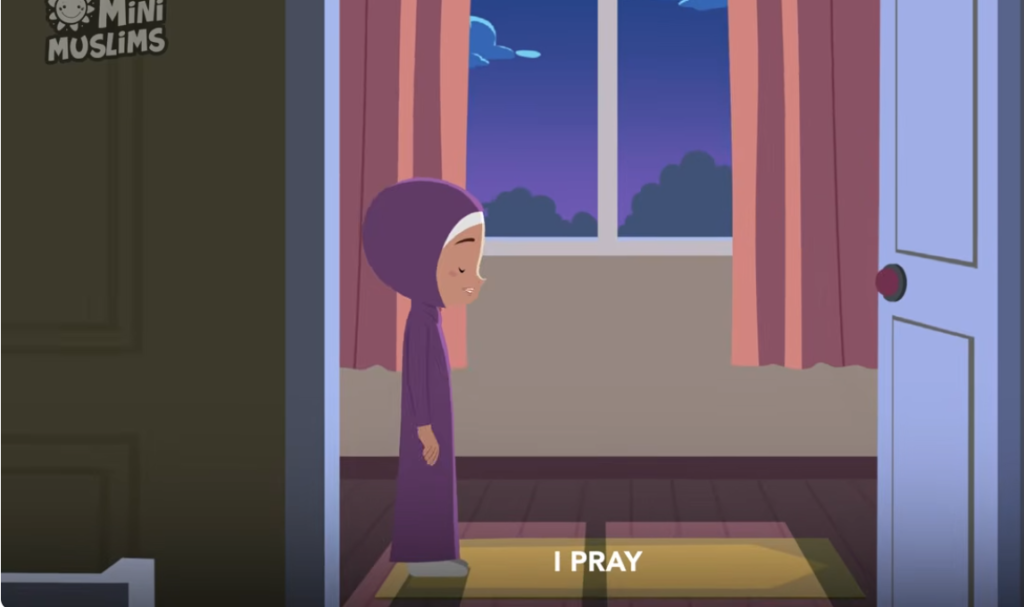
The Islamic poem “I Pray” teaches Muslim children to turn to Allah through prayer in every situation. It reminds them that Salah can bring comfort and hope when they feel sad, worried, lost, or overwhelmed. The poem also encourages children to remember Allah during happy and peaceful moments, not only during difficulties. Its meaningful message helps them understand prayer as a source of guidance, strength, and connection with Allah. The repeated phrase “I pray” reinforces the importance of making prayer a consistent part of everyday life. Through the poem, children can develop greater trust in Allah and a stronger appreciation for the comfort and purpose of prayer.
7. Be Patient
The Islamic poem “Be Patient” teaches Muslim children that good things often require time, calmness, and patience. It shows them simple ways to manage impatience, such as breathing slowly, pausing, and waiting for their turn. The poem encourages children to stay peaceful instead of becoming upset when things do not happen immediately. It also connects patience with kindness, helping children understand how staying calm can improve the way they treat others. Its cheerful repetition makes the important Islamic value of Sabr (patience) easy to understand and remember. Through the poem, children can develop self-control, positive behaviour, and greater trust in Allah.
Read also: Islamic Moral Stories for Kids

8. Bismillah Walajna – Dua for Entering the House
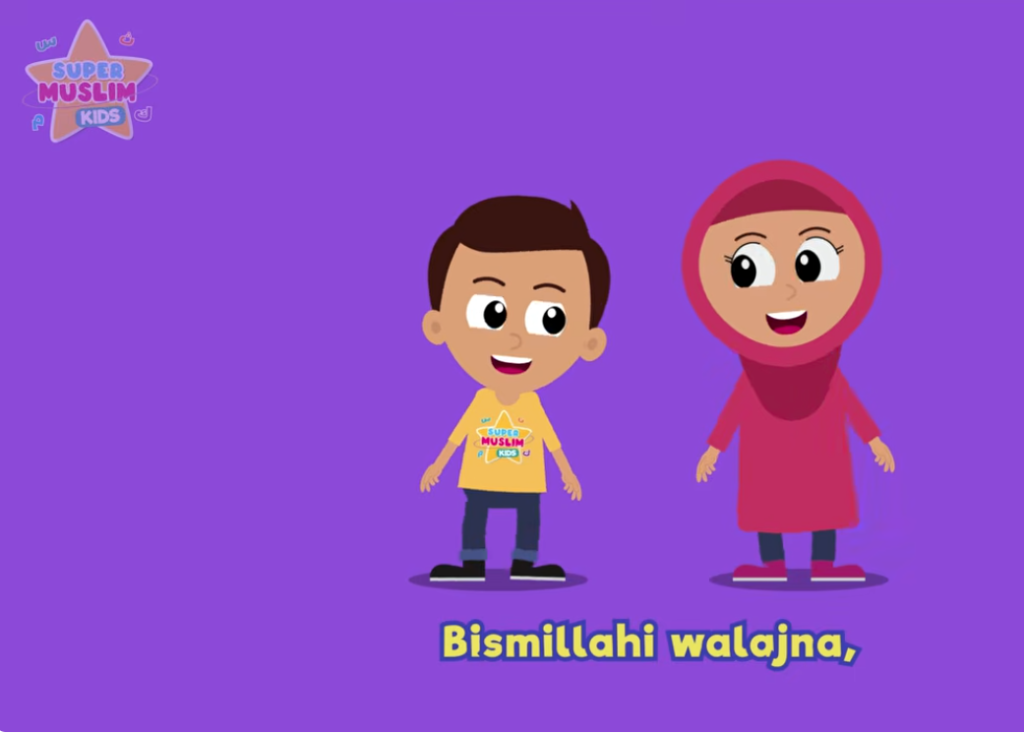
The Islamic rhyme “Entering the House Dua – Bismillah Walajna” helps Muslim children learn the Sunnah of remembering Allah when entering their home. Its simple and engaging format makes the dua easier for young children to memorize and repeat correctly. It encourages them to make Dhikr a natural part of their everyday routines. The rhyme also teaches children to seek Allah’s blessings and protection when entering and leaving their home. Regular repetition helps build a lasting Islamic habit from an early age. Through this song, children can strengthen their connection with Allah while learning and practising the beautiful manners of Islam.
Read also: Dua for Child Protection in Arabic
9. Waking Up Dua
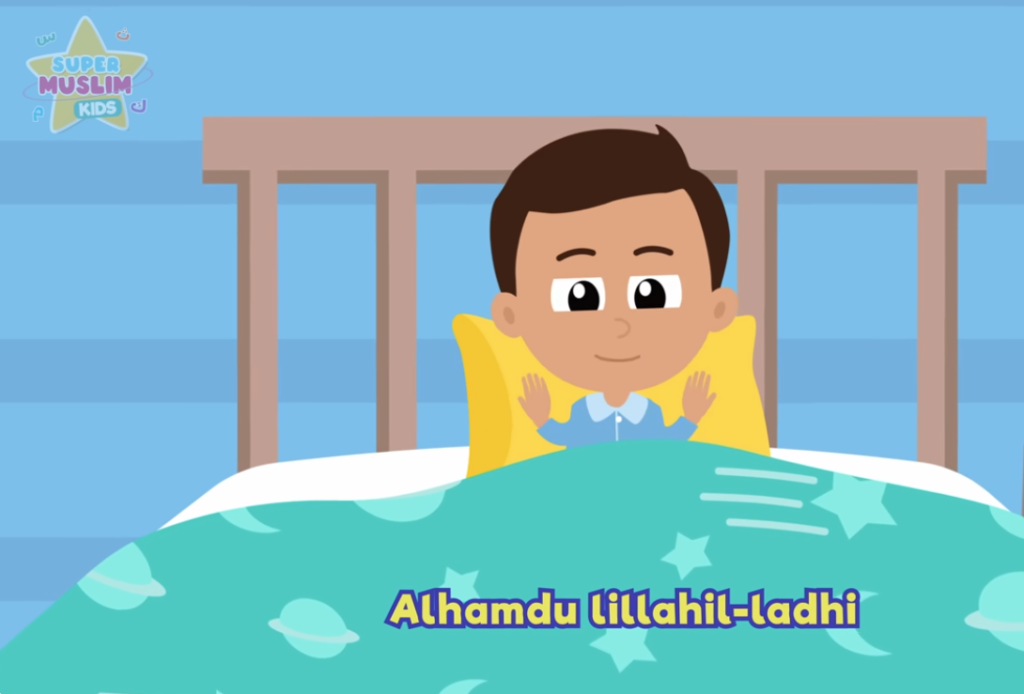
The “Waking Up Dua Song for Kids” helps Muslim children begin each morning by remembering and praising Allah. It teaches them the beautiful dua “Alhamdulillahil-ladhi ahyana ba‘da ma amatana…” enjoyably and memorably. The song encourages children to thank Allah for the blessing of waking up to a new day. Its repetition makes the dua easier for young learners to memorize and practise every morning. It also helps children develop gratitude and make Dhikr part of their daily routine from an early age. Through this song, children can strengthen their connection with Allah while developing a meaningful Islamic morning habit.
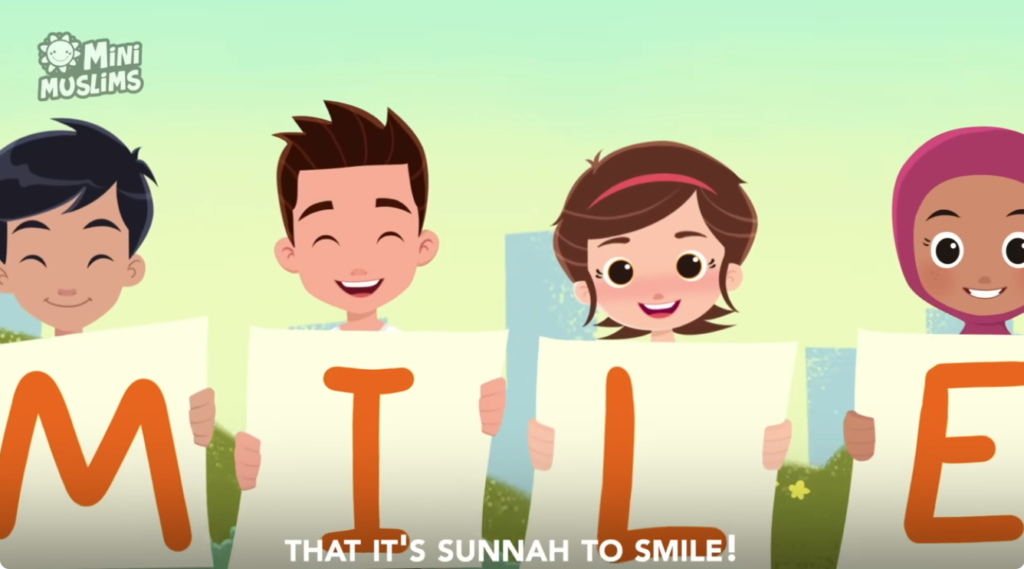
10. It’s Sunnah to Smile
The Islamic poem “It’s Sunnah to Smile” teaches Muslim children that smiling is a beautiful Sunnah of the Prophet Muhammad ﷺ. It encourages them to stay hopeful and positive even when they experience difficulties or disappointments. The poem shows children how a simple smile can spread happiness, kindness, and friendship to those around them. It also reminds them to follow the Prophet’s ﷺ example in their everyday behaviour and interactions. Its cheerful repetition makes the message easy for young children to remember and practise. Through this poem, children learn that smiling is a simple way to show kindness, strengthen relationships, and practise good Islamic manners.
Read also: Islamic Animation for Kids
Experience the Magic Firsthand
Watch these short clips from our live classes to see our interactive teaching tools, vibrant student-teacher interactions, and the fun, stress-free ways we make learning easy for kids!
Start Your Child’s Quran Learning Journey Today!
Join Kids Learning Quran Academy and help your child read the Quran with confidence through fun and guided lessons.
Book a Free Trial ClassGive Your Child an Islamic Foundation They’ll Carry for Life
Islamic poems are a powerful tool — but they work best alongside structured, expert-guided Islamic education.
Kids Learning Quran Academy’s Islamic Studies and Quran Classes for Kids give children aged 4–15 exactly that foundation:
- Lessons through stories, recitation, and activities — never dry repetition
- 20–30 minute sessions matched to children’s natural attention spans
- Flexible scheduling designed around busy family routines
- Faith-building, character-forming curriculum covering Aqeedah, Quran, and Akhlaq
Book your child’s free trial lesson today, and let your child begin their Quran learning journey from home with confidence.
Our Courses Include:
- Tajweed for Kids
- Quran Memorization for Kids
- Quran Recitation Course for Kids
- Quran Classes for Toddlers
- Quran Tafseer for Kids
- Qaida for Kids
- Quran Reading Course for Kids
- Online Arabic Classes for Kids
- Quranic Arabic for Kids
- Islamic Studies Courses for Kids
- Islamic Studies for Kindergarten
- 5 Pillars of Islam for Kids
- Islamic Education for Kids
Conclusion
A kids’ Islamic poem is one of the most efficient tools in Islamic education — it combines faith, language, and character development into a format children are neurologically wired to absorb. The rhythm carries the meaning, the repetition builds the habit, and the message shapes the child.
Choosing well means testing each poem against three standards: does it teach sound Aqeedah, expand Islamic vocabulary, and point toward real behavior? Matching poems to age groups and weaving them into daily routines without formal pressure is what turns pleasant verses into lifelong Islamic anchors.
The child who grows up surrounded by Islamic poetry doesn’t just know Islam — they feel it, speak it, and live it naturally.
Frequently Asked Questions
What Is A Kids’ Islamic Poem?
A kids’ Islamic poem is a short, rhyming verse written for children that teaches Islamic beliefs, manners, or stories through rhythm and meter. Unlike a nasheed, it stands alone on the page and can be read, recited, or performed without music, making it a flexible educational tool for home and classroom.
At What Age Should Children Start Learning Islamic Poems?
Children can begin engaging with Islamic poems as early as age 3–4, starting with very short, sound-focused couplets. At this stage, the goal is familiarity with Islamic sounds and names rather than full comprehension. Structured understanding of poem content develops from around age 6–7 onward.
How Do Islamic Poems Help Children Memorize Islamic Concepts?
Rhyme and rhythm create stronger memory retrieval pathways than prose. When a concept is embedded in a predictable sound pattern, the pattern itself becomes a retrieval cue — meaning a child who has forgotten the concept can often recover it by recalling the verse’s rhythm. This is why Islamic poems are especially effective for teaching the Pillars of Islam, Prophet names, and daily supplications.
What Topics Should A Good Islamic Poem For Kids Cover?
A well-rounded collection should cover Tawheed, the Prophet ﷺ, the Quran, daily worship, Islamic manners, Prophet stories, and gratitude. Collections that focus only on behavior and manners without addressing Aqeedah produce an incomplete Islamic grounding.
Can Children Write Their Own Islamic Poems?
Yes — and this is an underused educational strategy. Children aged 8 and above who write their own Islamic poem about a topic they’ve studied (a Prophet’s story, a quality of Allah, a Ramadan memory) engage deeply with the content in a way that passive reading or recitation cannot match. Writing requires the child to choose words, think about the concept, and structure their understanding — all of which deepen retention.
What Makes An Islamic Poem For Kids Inappropriate Or Weak?
Three common failure points: (1) theologically imprecise language that creates wrong beliefs about Allah or the Prophets, (2) repetitive, low-vocabulary verse that teaches nothing new linguistically, and (3) poems with no behavioral takeaway that leave the child with a feeling but no action. Parents should review unfamiliar poems on all three counts before using them with children.
Related Articles
Learn Arabic