 Learn Arabic
Every parent wants their child to grow up safe, healthy, emotionally secure, and spiritually protected. That is why many Muslim families regularly search for a dua for child protection in Arabic that they can recite every day with sincerity and understanding.
Islam teaches that children are a trust from Allah, and protecting them includes both practical care and spiritual protection. Through Quranic verses, prophetic supplications, and daily remembrance, parents can build a peaceful spiritual environment around their children.
In this article, you will learn authentic duas for child protection and health in Arabic with English translations, when to read them, how often to recite them, and why understanding these supplications deeply matters for Muslim families today.
Why Dua for Child Protection Matters in Islam?
Islam teaches believers to combine effort with tawakkul (trust in Allah). Parents naturally work hard to protect their children physically, emotionally, and academically, but spiritual protection is equally important. Through dua, parents place their children under Allah’s care and mercy while continuing to guide and support them in daily life.
Children today face many different challenges that can affect their hearts, minds, and behavior. These include emotional stress, anxiety, fear, negative influences, social pressure, harmful environments, envy, the evil eye, digital distractions, and a weak spiritual connection. Because of this, Quranic protection and daily dua have become essential parts of Islamic parenting.
Making dua regularly reminds parents that ultimate safety and protection come from Allah alone. It also helps children grow up feeling spiritually secure, emotionally supported, and connected to their faith from an early age.
Dua for Child Protection from Evil Eye
The evil eye is real in Islam, and many parents seek authentic prophetic duas for protection from envy and harm.
Arabic Quote:
أُعِيذُكُمَا بِكَلِمَاتِ اللَّهِ التَّامَّةِ مِنْ كُلِّ شَيْطَانٍ وَهَامَّةٍ وَمِنْ كُلِّ عَيْنٍ لَامَّةٍ
English Translation:
“I seek protection for you in the perfect words of Allah from every devil, harmful creature, and every evil eye.”
The Prophet ﷺ used this dua for Hasan and Husayn رضي الله عنهما. This makes it especially meaningful for Muslim parents today.
A common mistake is only reciting protection duas during moments of fear. In reality, regular daily recitation builds spiritual consistency and calmness.
Dua for Child Health and Protection
Parents naturally worry about illness, weakness, and emotional stress affecting their children. Islam encourages believers to ask Allah for health and complete well-being.
Arabic Quote:
اللَّهُمَّ عَافِهِمْ وَاحْفَظْهُمْ مِنْ كُلِّ سُوءٍ
English Translation:
“O Allah, grant them health and protect them from every harm.”
This dua is simple but emotionally powerful. Parents can recite it during sickness, before school, while traveling, or before sleep.
Understanding the meanings of these duas makes recitation more sincere and emotionally comforting for families.
Help Your Child Build Strong Islamic Values with Guided Learning
Making dua for child protection in Arabic is an important part of Islamic parenting, but helping children understand their faith deeply is equally important. Alongside daily Quran recitation and authentic supplications, children benefit most when they grow up learning Islam in a structured, engaging, and spiritually supportive environment.
At Kids Learning Quran Academy, the Best Islamic Education for Kids program helps children strengthen their connection with Allah through interactive lessons in Quran, Hadith, Tawheed, Seerah, and essential Islamic manners. Instead of only memorizing information, students learn the meaning behind worship, daily supplications, and Islamic values in a way that is simple and engaging for young learners.
Start your child’s journey toward stronger faith, daily Quran connection, and authentic Islamic values with supportive online learning at Kids Learning Quran Academy.
Dua for Child Safety During Sleep
Nighttime can increase parental anxiety, especially for young children. Islam teaches believers to remember Allah before sleeping for peace and protection.
Arabic Quote:
بِاسْمِكَ اللَّهُمَّ أَمُوتُ وَأَحْيَا
English Translation:
“In Your name, O Allah, I die and I live.”
This dua reminds believers that every moment remains under Allah’s care and mercy.
Many families create peaceful bedtime routines by combining Quran recitation, duas, and calm conversation with children.
Dua for Child Protection from Harm and Fear
Fear affects both children and parents emotionally. Islam teaches believers to seek emotional and spiritual strength directly from Allah.
Arabic Quote:
حَسْبُنَا اللَّهُ وَنِعْمَ الْوَكِيلُ
English Translation:
“Allah is sufficient for us, and He is the best disposer of affairs.”
This phrase helps reduce fear and anxiety during difficult moments. Parents may recite it during illness, travel, school concerns, or stressful situations.
A strong connection to Quranic supplication helps families develop emotional resilience over time.
Dua for Child Guidance and Righteousness
Protection in Islam is not only physical. Parents also ask Allah to protect their children’s faith, manners, and future choices.
Arabic Quote:
رَبِّ اجْعَلْنِي مُقِيمَ الصَّلَاةِ وَمِنْ ذُرِّيَّتِي
English Translation:
“My Lord, make me an establisher of prayer, and many from my descendants as well.”
This Quranic dua highlights the importance of spiritual upbringing inside Muslim families.
A common mistake is focusing only on worldly success while forgetting spiritual growth and Islamic character.
Dua for Child Protection During Travel
Travel often increases parental worry, especially regarding safety and uncertainty.
Arabic Quote:
أَسْتَوْدِعُ اللَّهَ دِينَكَ وَأَمَانَتَكَ وَخَوَاتِيمَ عَمَلِكَ
English Translation:
“I entrust to Allah your religion, your trust, and the end of your deeds.”
This dua reminds parents that Allah’s protection extends everywhere, even when children are outside direct supervision.
Consistent Islamic remembrance builds emotional stability for both parents and children.
Dua for Child Emotional Peace
Modern children face emotional stress, anxiety, distractions, and fear more than many parents realize.
Arabic Quote:
اللَّهُمَّ أَنْزِلِ السَّكِينَةَ فِي قُلُوبِهِمْ
English Translation:
“O Allah, send tranquility into their hearts.”
This supplication focuses on emotional well-being, calmness, and inner peace.
Many learners overlook emotional duas while focusing only on physical protection, yet emotional security is equally important in Islamic parenting.
Shots Videos from Our Courses
Start Your Child’s Quran Learning Journey Today!
Join Kids Learning Quran Academy and help your child read the Quran with confidence through fun and guided lessons.
Book a Free Trial ClassDua for Child Success and Blessings
Parents also pray for barakah in their children’s lives, knowledge, and future.
Arabic Quote:
اللَّهُمَّ بَارِكْ لَهُمْ فِي أَعْمَارِهِمْ وَأَعْمَالِهِمْ
English Translation:
“O Allah, bless their lives and their deeds.”
Barakah means more than success. It includes peace, goodness, guidance, and beneficial outcomes in life.
Understanding Quran and duas helps families connect blessings with gratitude and worship.
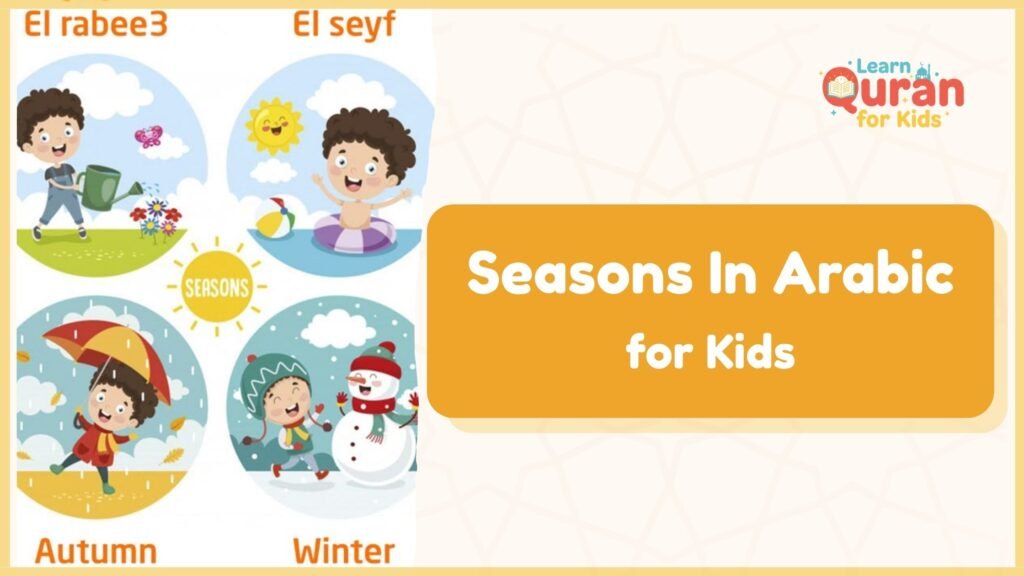
Read also: Seasons In Arabic For Kids
Give Your Kindergartener a Strong Islamic Start
Early childhood is one of the best stages for introducing children to Quran, duas, and Islamic values in a gentle and enjoyable way. Through interactive lessons, storytelling, simple surahs, and beginner-friendly Quran activities, young learners can develop love for Islam while building confidence in their spiritual journey.
The Islamic Studies Course for Kindergarten at Kids Learning Quran Academy helps children learn Arabic letters, short duas, basic worship practices, and essential Islamic manners through age-appropriate teaching methods designed to keep learning fun, engaging, and meaningful.
Help your child grow with Quran, daily duas, and strong Islamic values by starting their learning journey today with Kids Learning Quran Academy.
Simple Daily Routine for Child Protection in Islam
Many parents wonder how to practically include these duas in everyday life. A simple routine can make consistency much easier.
Morning Routine
- Ayat Al-Kursi
- Surah Al-Falaq
- Surah An-Nas
- Dua for health and safety
Before School
- Dua for protection from evil eye
- Short family dua together
Evening Routine
- Evening adhkar
- Quran recitation
- Calm family conversation
Before Sleep
- Surah Al-Ikhlas
- Surah Al-Falaq
- Surah An-Nas
- Bedtime dua
Small consistent habits are more powerful than difficult routines that quickly stop.
Teaching Children Protection Duas in a Simple Way
Teaching children duas becomes easier when parents focus on simplicity and consistency instead of pressure.
Young children usually learn best through:
- Repetition
- Listening regularly
- Bedtime routines
- Short daily practice
- Gentle encouragement
Starting with short duas like:
- Bismillah
- Ayat Al-Kursi
- Surah Al-Falaq
- Surah An-Nas
can help children gradually build confidence and connection with Quran.
Parents should also explain meanings in simple language so children understand that these duas are not just words, but conversations with Allah asking for protection, peace, and guidance.
The Emotional Benefit of Making Dua for Your Children
Making dua for children strengthens not only the child spiritually, but also the parent emotionally. When parents regularly turn to Allah, they often feel greater emotional peace, reduced anxiety, stronger tawakkul, and more patience in daily life.
Dua also helps parents build a deeper emotional connection with their children. It reminds them that caring for a child is not only a physical responsibility, but also a spiritual journey guided by faith and trust in Allah.
Islam teaches that sincere dua is an act of worship and reliance on Allah. Even during times of uncertainty, parents find comfort knowing that Allah hears every sincere supplication made for their children’s safety, health, faith, and future.
Over time, these daily moments of Quran and dua can bring peace to the entire household and help create a stronger spiritual atmosphere within the family.
Our Students Reviews
Start Your Child’s Quran Learning Journey Today!
Join Kids Learning Quran Academy and help your child read the Quran with confidence through fun and guided lessons.
Book a Free Trial ClassRead also: The Benefits Of Reading Quran For Kids
Strengthen Your Child’s Connection with Quran Through Learn Quran For Kids Academy
Helping children memorize daily duas becomes easier when Quran learning is part of their everyday routine. Learn Quran For Kids supports Muslim families with online Quran classes that help children improve recitation, understand Islamic teachings, and develop strong spiritual habits from an early age.
Since protection duas are closely connected to Quran recitation and remembrance of Allah, learning Quran properly can help children recite these supplications with more confidence and understanding. The academy provides a comfortable learning environment for beginners, along with Tajweed support, flexible schedules, and guided Quran learning suitable for different ages and levels.
Start your family’s Quran journey today with Learn Quran For Kids and help your children build strong Quran habits, learn authentic daily duas, and grow with a deeper connection to Allah in a supportive Islamic learning environment.
Our Courses Include:
- Tajweed for Kids
- Quran Memorization for Kids
- Quran Recitation Course for Kids
- Quran Classes for Toddlers
- Quran Tafseer for Kids
- Qaida for Kids
- Quran Reading Course for Kids
- Online Arabic Classes for Kids
- Quranic Arabic for Kids
- Islamic Studies Courses for Kids
- Islamic Studies for Kindergarten
- 5 Pillars of Islam for Kids
- Islamic Education for Kids
Don’t wait to invest in your child’s Akhirah and future. Enroll today and watch your child grow with confidence, knowledge, and love for the Quran.
Join Kids Learning Quran Academy now and start your child’s learning journey today!
Start Your Child’s Quran Learning Journey Today!
Join Kids Learning Quran Academy and help your child read the Quran with confidence through fun and guided lessons.
Book a Free Trial ClassConclusion
Making dua for child protection in Arabic is one of the most meaningful spiritual practices a Muslim parent can build. These Quranic verses and prophetic supplications bring emotional peace, strengthen trust in Allah, and create a spiritually safe environment inside the home.
Whether parents are seeking protection from illness, fear, evil eye, emotional stress, or daily challenges, consistent Quran recitation and sincere dua help strengthen both faith and family connection.
Even small daily habits can make a lasting difference. Learning Quran gradually, understanding meanings, and reciting authentic duas with sincerity allows parents to raise children with stronger spiritual foundations and greater emotional peace.
FAQ
When should I read dua for child protection in Islam?
The best times to read protection duas are after Fajr, after Maghrib, before sleep, and after daily prayers. These moments help parents build consistent spiritual routines for their children.
Can I recite Quranic protection duas for a sleeping child?
Yes. Many Muslim parents recite Ayat Al-Kursi, Surah Al-Falaq, and Surah An-Nas before their children sleep to create peace, comfort, and spiritual protection.
Is there a specific dua for protecting children from evil eye?
Yes. One of the most authentic prophetic duas is:
أُعِيذُكُمَا بِكَلِمَاتِ اللَّهِ التَّامَّةِ
The Prophet ﷺ recited this dua for Hasan and Husayn May God be pleased with them for protection from evil eye and harm.
How can I teach my child protection duas easily?
Start with short and simple duas through repetition, bedtime routines, and daily practice. Children often learn faster when parents recite regularly with them in a calm and encouraging way.
Can parents make dua for their children in English?
Yes. Parents can ask Allah for protection in any language. However, learning authentic Arabic duas from the Quran and Sunnah carries special spiritual value and connection.
Why is consistency important when reading protection duas?
Islam encourages regular remembrance instead of only turning to dua during fear or hardship. Consistent daily duas help strengthen faith, emotional peace, and trust in Allah over time.
Related Articles
Learn Arabic