 Learn Arabic
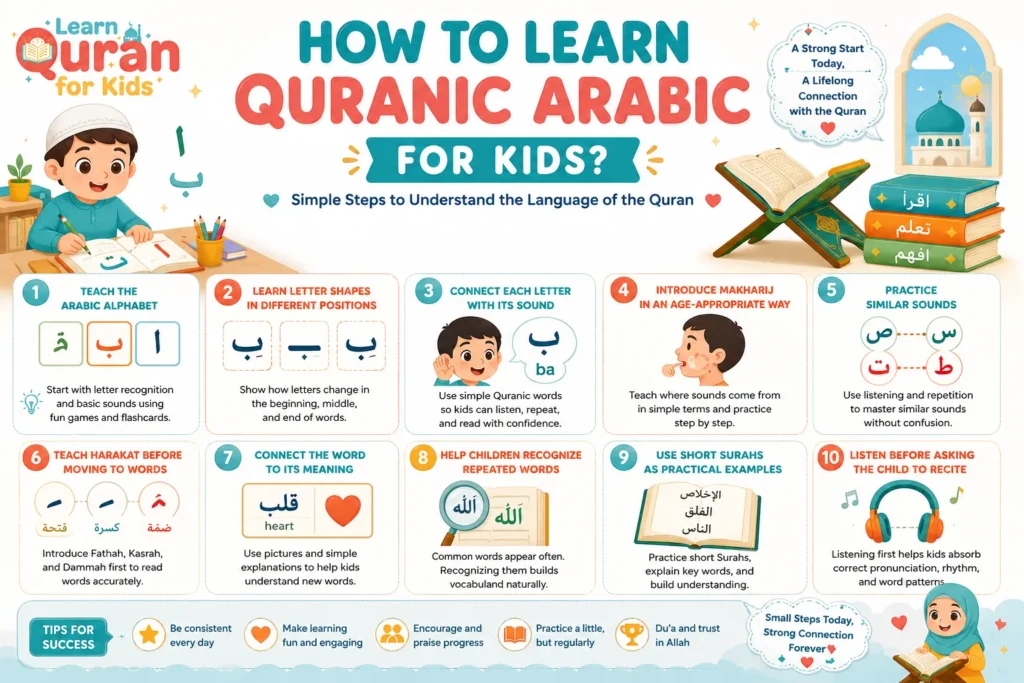
Teaching children Quranic Arabic is about more than learning how to read Arabic letters. Reading the Quran teaches a child to recognize and pronounce the words, while Quranic Arabic helps them understand the vocabulary and meanings they encounter in Allah’s Book.
The best approach is gradual and age-appropriate: begin with Arabic letters and correct pronunciation, then introduce harakat, simple Quranic words, and short verses. With consistent practice, engaging activities, and encouragement, parents can help children build both strong reading skills and a meaningful connection with the Quran.
1. Teach The Arabic Alphabet
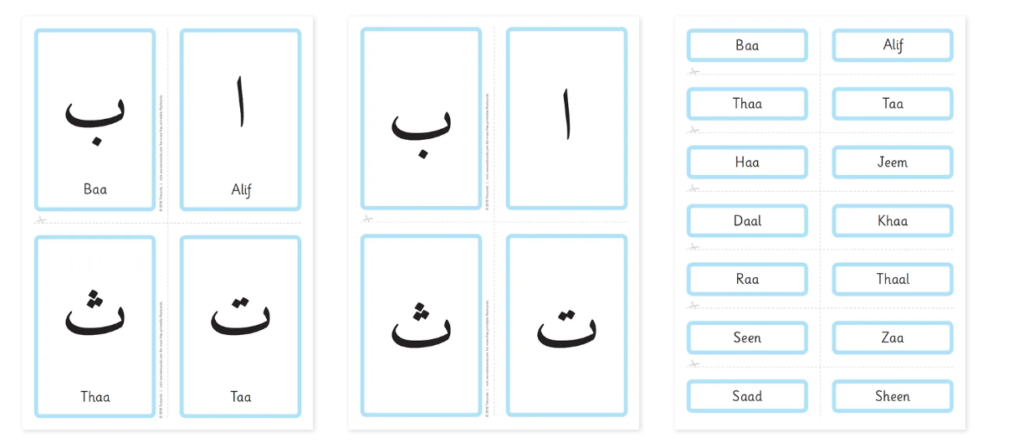
Begin by helping your child recognize the Arabic letters and their basic sounds. Focus on clear pronunciation and correct makharij without spending too much time on memorization.
Short, playful activities such as flashcards, tracing, and letter-matching games can make this foundation engaging before moving on to Quranic words and meanings.
Totcards.com offers free printable flashcards of the Arabic letters.
Read also: How to Speak Arabic for Kids?
Read also: Arabic Alphabet Learning for Kids
2. Learn Letter Shapes In Different Positions
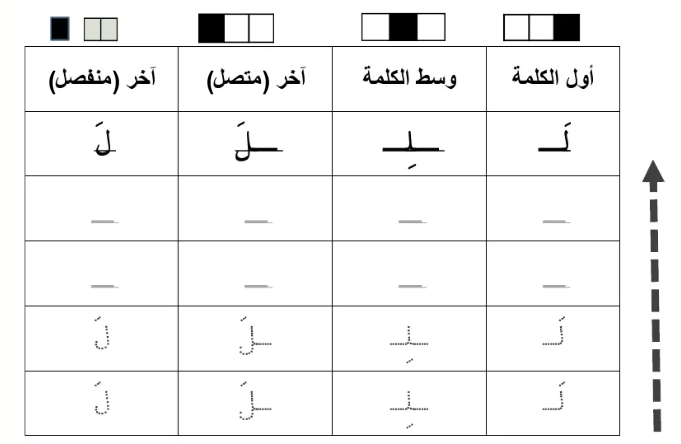
Help your child recognize how some Arabic letters change shape depending on whether they appear at the beginning, middle, or end of a word. Simple examples from familiar Quranic words can make this easier and help children recognize letters naturally while reading.
You can find a lot of free downloadable worksheets on scribd.com.
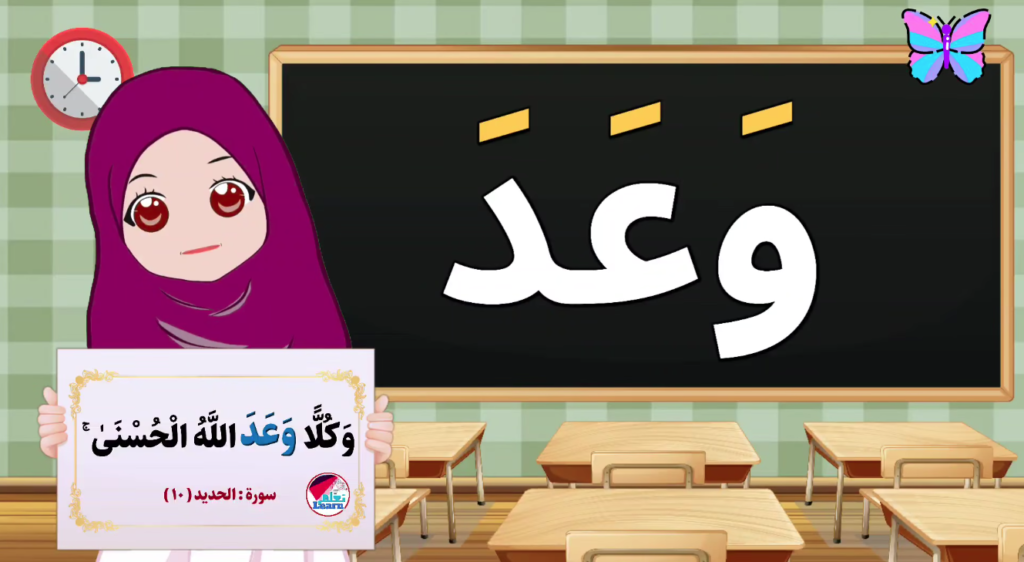
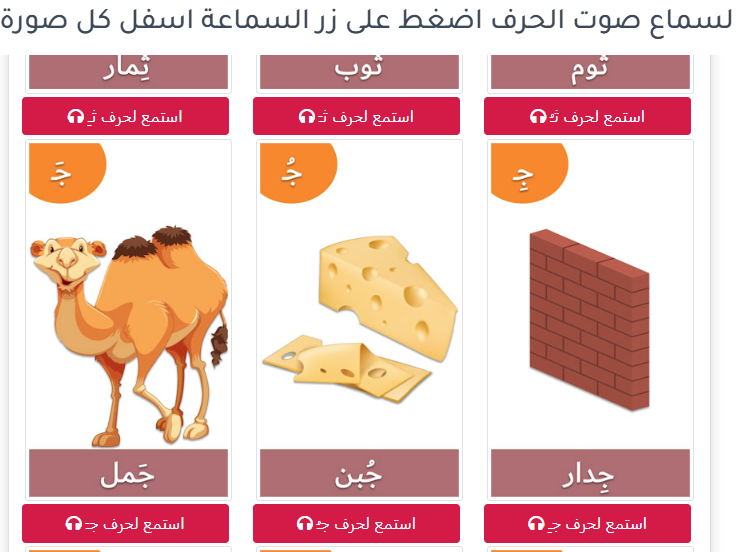
3. Connect Each Letter With Its Sound
Teach your child to associate each Arabic letter with its correct sound rather than memorizing its shape alone. Encourage listening and repeating, using simple Quranic words to reinforce accurate pronunciation and build early reading confidence.
Follow Learn – تعلّم Channel on YouTube for illustrative videos.
Read also: Arabic Words for Kids
Read also: 10 Best Kids Islamic Poems
4. Introduce Makharij In An Age-Appropriate Way
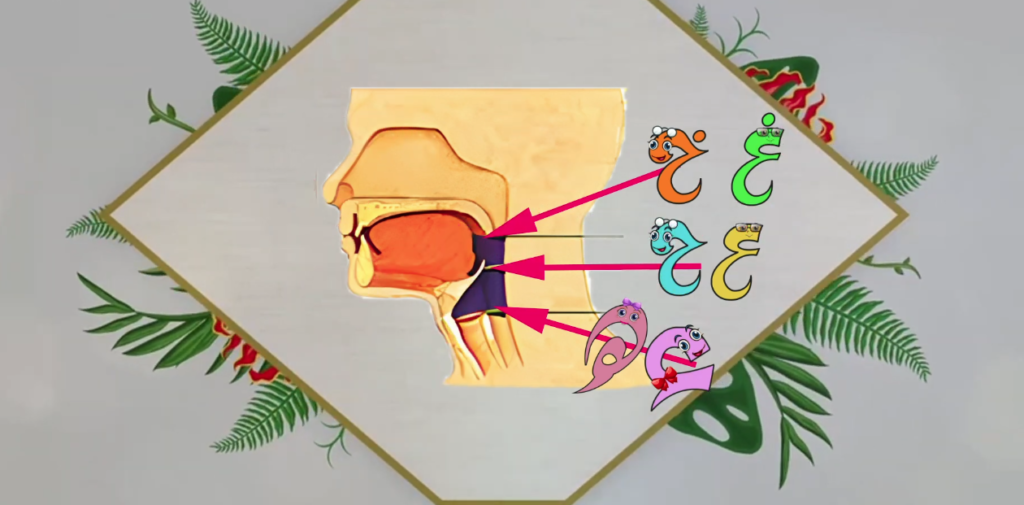
Introduce Makharij gradually by helping your child notice where Arabic sounds come from, such as the throat, tongue, or lips. Keep explanations simple and focus on practicing a few difficult sounds at a time rather than teaching detailed terminology.
Follow Holy Quran أحباب الرحمن YouTibe Channel for illustrative videos.

5. Practice Similar Arabic Sounds
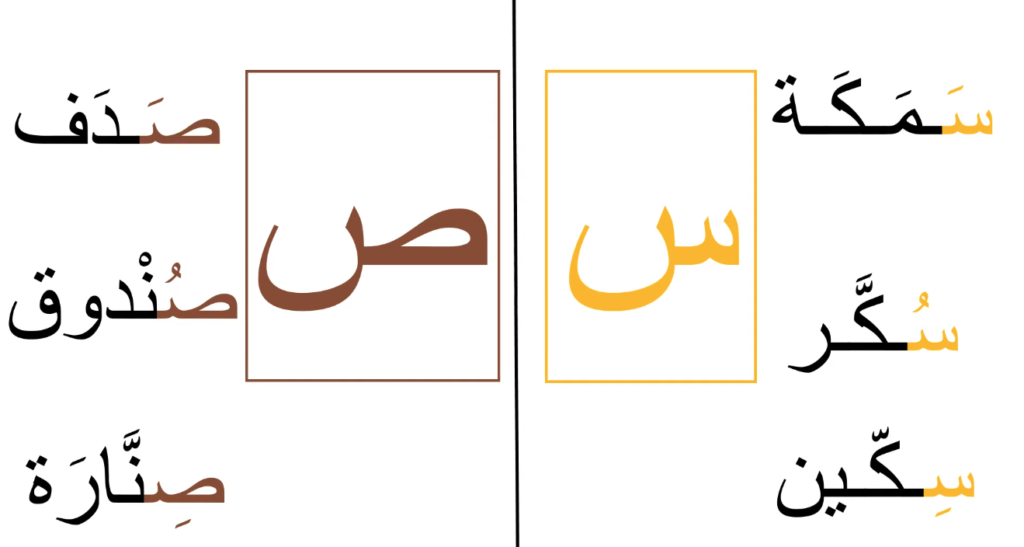
Help your child distinguish between Arabic sounds that may seem similar, such as س and ص or ت and ط. Use short listening and repetition exercises with simple Quranic words to build accurate pronunciation without overwhelming the child.
You can find illustrative videos on Learn the Arabic Letters YouTube Channel تعلّم حروف اللغة العربية.
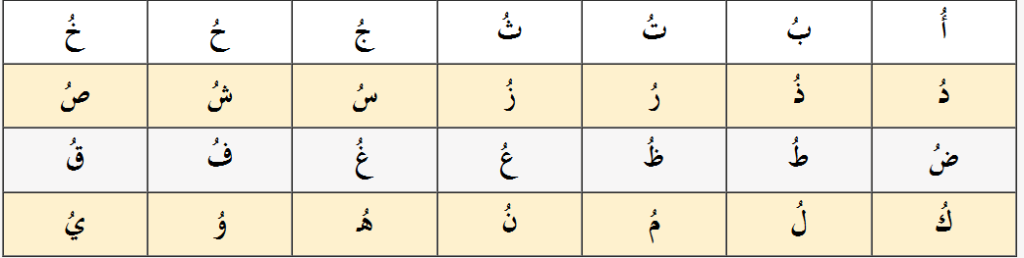
6. Teach Harakat Before Moving To Quranic Words
Introduce the basic harakat—Fathah, Kasrah, and Dammah—to help children understand how vowel sounds change Arabic letters. Keep practice simple and repetitive, then gradually use familiar Quranic examples to prepare them for reading words accurately.
You can find more illustrations about Dammah, Kasrah, and Fathah for kids and other free resources on alukah.net
Read also: Who Is Allah for Kids?
Read also: How to Learn Arabic for Kids
7. Connect The Word To Its Meaning
Help your child understand simple Quranic words by connecting each word to a clear, age-appropriate meaning. Use pictures, short explanations, or familiar examples to make new vocabulary easier to remember and encourage genuine understanding of the Quran.
Follow Free Quran Education YouTube Channel and learn more through its videos.
See Our Classes in Action!
Wondering what a typical lesson looks like? Take a peek inside our virtual classrooms below to see how our patient teachers keep students smiling, engaged, and learning every step of the way.
Start Your Child’s Quran Learning Journey Today!
Join Kids Learning Quran Academy and help your child read the Quran with confidence through fun and guided lessons.
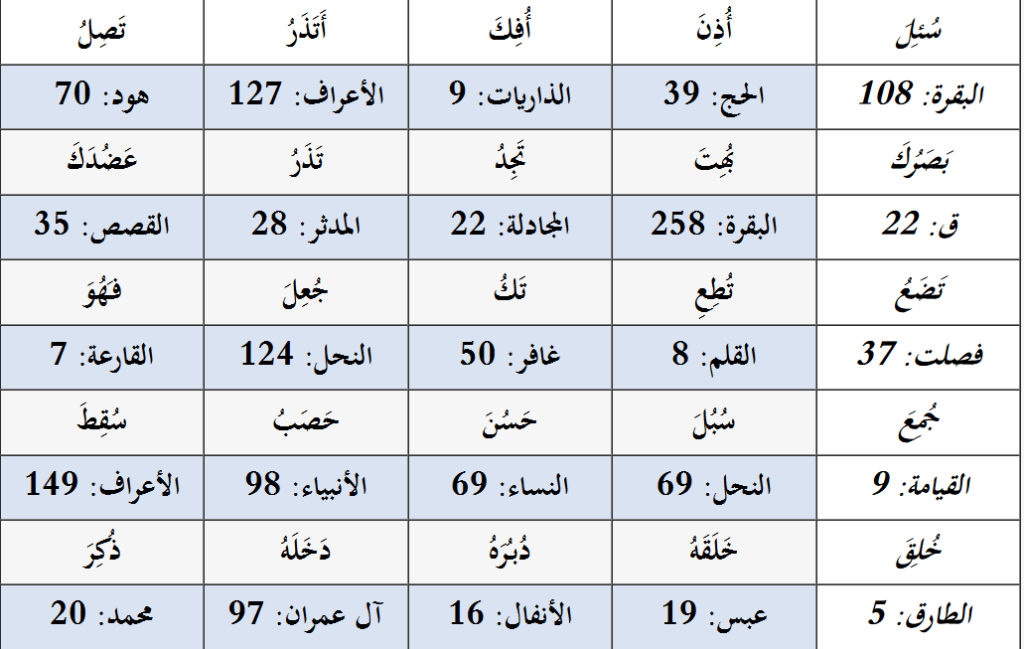
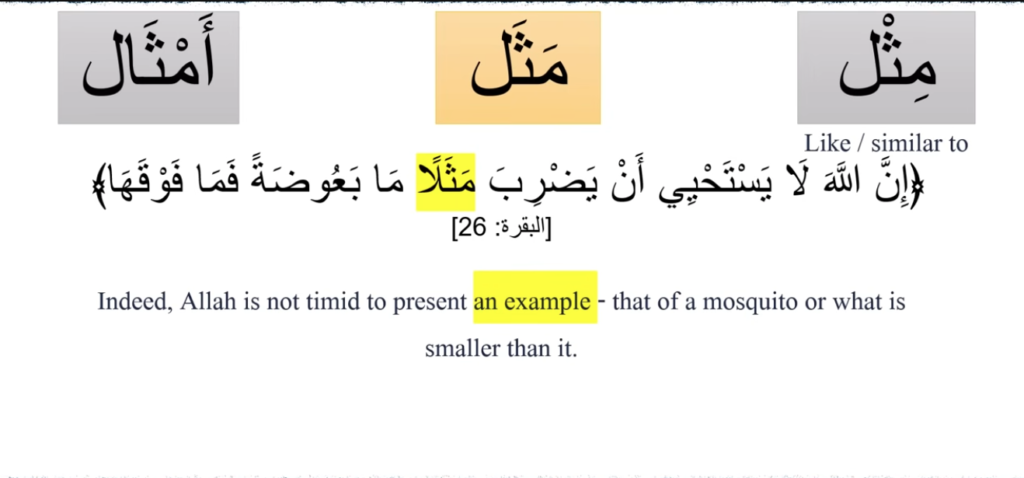
Book a Free Trial Class8. Help Children Recognize Repeated Quranic Words
Encourage your child to notice common Quranic words that appear across different surahs. Repeated exposure helps build vocabulary naturally and makes familiar words easier to recognize, read, and understand over time.
Read also: How to Teach Kids Arabic? – A Step-by-Step Parent’s Guide
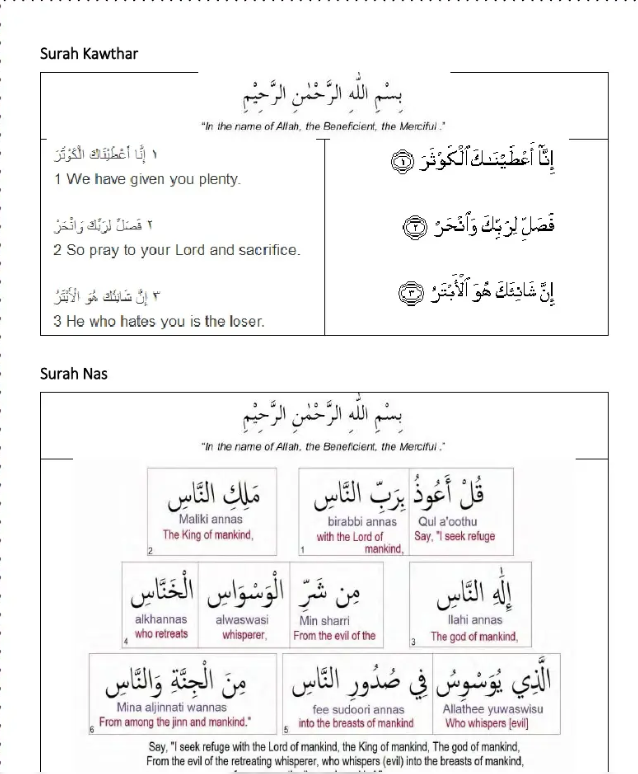
9. Use Short Surahs As Practical Examples
Use short surahs as simple opportunities to practice reading and understanding Quranic Arabic. Choose a few familiar words or phrases from each surah, explain their meanings briefly, and encourage your child to recognize them during recitation.
10. Listen Before Asking The Child To Recite
Let your child listen to a clear, accurate recitation before asking them to repeat it. Repeated listening helps children absorb correct pronunciation, rhythm, and word patterns, making recitation easier and more natural.
Read also: The Benefits of Reading Quran for Kids
11. Introduce Basic Quranic Arabic Grammar Gradually
Introduce Quranic Arabic grammar naturally through common words, simple pronouns, prepositions, and basic noun and verb patterns.
Focus on helping children recognize how words are used in familiar Quranic verses rather than teaching formal grammar rules too early. This keeps learning simple while gradually building their understanding of the Quranic language.
12. Use Noorani Qaida Or Noor Al-Bayan As A Reading Foundation
Noorani Qaida and Noor Al-Bayan can provide children with a structured foundation for Quran reading, beginning with Arabic letters and harakat and gradually progressing to madd, sukoon, tanween, shaddah, and basic Tajweed.
These methods help children develop accurate reading and pronunciation skills before moving toward more advanced Quranic Arabic vocabulary and understanding.
Use Noor Al-Bayan free app to help your kid through this important step.

13. Make Quranic Arabic Learning Fun For Kids
Make learning enjoyable by using a mix of letter and word games, flashcards, songs, stories, pictures, coloring, and tracing activities.
Educational apps and videos can add variety, while small rewards and positive encouragement help keep children motivated and engaged without making learning feel like a chore.
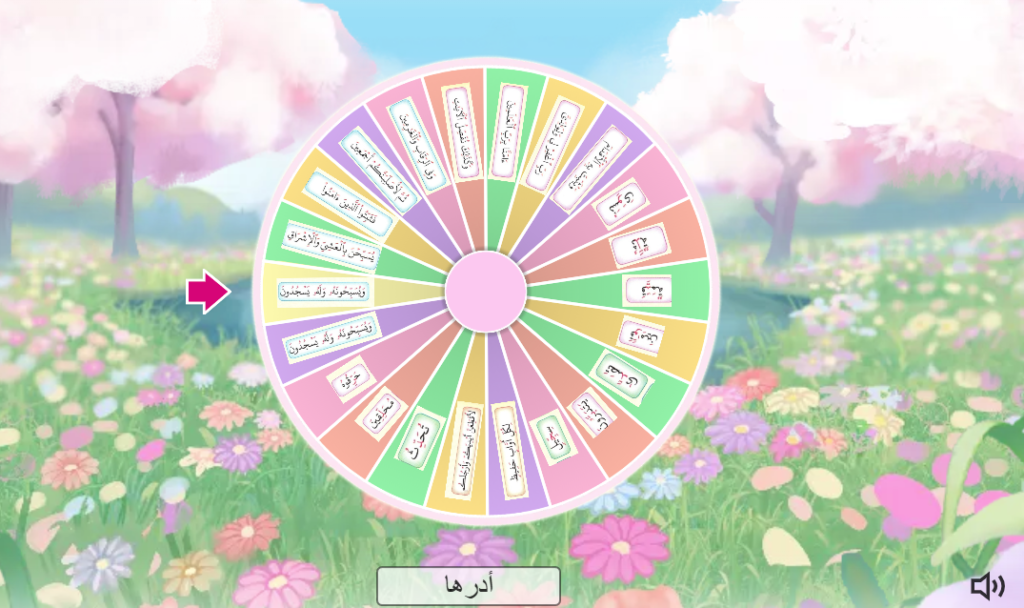
Platforms like WordWall.net include features such as flashcards, memory matching, random card challenges, spinning wheels, and box-opening games that help children review Arabic letters, Quranic words, and short verses while staying motivated.
Read also: Best Islamic 11 Games for Kids
A Simple 7-Week Quranic Arabic Learning Plan For Kids
| Week | Focus | Daily Activity | Suggested Time | Learning Goal |
| 1 | Arabic Letter Recognition | Identify, match, trace, and review Arabic letters | 15–20 min | Recognize the letters confidently |
| 2 | Letter Sounds & Pronunciation | Listen, repeat, and practice correct letter sounds | 15–20 min | Connect each letter with its sound |
| 3 | Harakat | Practice Fathah, Kasrah, and Dammah with letters | 15–20 min | Read letters with basic vowel sounds |
| 4 | Letters & Syllables | Combine letters with harakat and read simple syllables | 15–20 min | Blend sounds accurately |
| 5 | Simple Quranic Words | Read familiar Quranic words and identify their meanings | 15–20 min | Build basic Quranic vocabulary |
| 6 | Short Verses & Vocabulary | Listen to and practice short verses while learning key words | 15–20 min | Connect reading with understanding |
| 7 | Review & Application | Review letters, words, and verses through games and recitation | 20 min | Reinforce skills and measure progress |
Common Mistakes When Teaching Quranic Arabic To Kids
Avoid overwhelming children with grammar or long lessons, and do not rely only on memorization without understanding. Give proper attention to pronunciation, move gradually through the basics, and connect new words to their meanings.
Most importantly, respect each child’s pace and use encouragement rather than pressure or comparison to keep learning positive and enjoyable.
Read also: When Should Children Begin Learning the Quran?
How to Know If Your Child Is Making Progress?
Your child is making progress when they can recognize Arabic letters, pronounce common sounds correctly, and read simple words with harakat.
Over time, they should also begin recognizing repeated Quranic vocabulary, understanding basic words in short surahs, and noticing simple patterns in Quranic Arabic.
Experience the Magic Firsthand
Watch these short clips from our live classes to see our interactive teaching tools, vibrant student-teacher interactions, and the fun, stress-free ways we make learning easy for kids!
Start Your Child’s Quran Learning Journey Today!
Join Kids Learning Quran Academy and help your child read the Quran with confidence through fun and guided lessons.
Book a Free Trial ClassGive Your Child the Right Quranic Arabic Foundation
Learning at home is valuable, but a qualified teacher can provide accurate pronunciation, structured progression, interactive learning, and regular feedback. Choose a child-friendly Quranic Arabic program that builds vocabulary and understanding step by step. Give your child the skills to read and understand the language of the Quran—start learning with Learn Quran for Kids today.
Our Courses Include:
- Tajweed Course for Kids
- Quran Memorization Course for Kids
- Quran Recitation Course for Kids
- Quran Classes for Toddlers
- Quran Tafseer Course for Kids
- Qaida Course for Kids
- Quran Reading Course for Kids
- Online Arabic Classes for Kids
- Quranic Arabic Course for Kids
- Islamic Studies Courses for Kids
- Islamic Studies Course for Kindergarten
- 5 Pillars of Islam Course for Kids
- Islamic Education Course for Kids
Don’t wait to invest in your child’s Akhirah and future. Enroll today and watch your child grow with confidence, knowledge, and love for the Quran.
Join Kids Learning Quran Academy now and start your child’s learning journey today!
Start Your Child’s Quran Learning Journey Today!
Join Kids Learning Quran Academy and help your child read the Quran with confidence through fun and guided lessons.
Book a Free Trial ClassConclusion
Learning Quranic Arabic for kids is most effective when it begins with strong reading foundations and gradually develops vocabulary and understanding. Start with letters, sounds, and harakat, then introduce simple Quranic words and short verses through consistent, engaging practice.
With patience, encouragement, and the right guidance, children can build lasting Arabic skills and a deeper connection with the Quran.
Frequently Asked Questions
What is the best age to start learning Quranic Arabic?
Children can begin with simple exposure around age 3, using songs, stories, and letter activities. More structured Quranic Arabic learning can gradually begin around ages 4–6, depending on the child’s readiness.
Should children learn Arabic letters before Quranic Arabic?
Yes. Learning the Arabic letters, sounds, and basic harakat first gives children the foundation they need to read Quranic words accurately before moving into vocabulary and meanings.
How can I teach Quranic Arabic to my child at home?
Start with Arabic letters and pronunciation, then introduce harakat, simple Quranic words, and short verses. Keep lessons short and consistent, and use stories, games, repetition, and listening activities to make learning engaging.
How long does it take for a child to learn Quranic Arabic?
There is no fixed timeline. It depends on the child’s age, starting level, learning pace, and consistency. Short, regular practice can lead to steady progress over time.
Is Noorani Qaida enough to learn Quranic Arabic?
No. Noorani Qaida provides an important foundation for reading the Quran, but Quranic Arabic also requires learning vocabulary, meanings, and basic language patterns to develop understanding.
What is the difference between learning Quran reading and Quranic Arabic?
Quran reading focuses on recognizing Arabic letters, pronunciation, fluency, and Tajweed. Quranic Arabic goes further by teaching vocabulary, meanings, and basic language patterns to help children understand what they read.
How many Quranic words should a child learn first?
Start with 10–20 common Quranic words and gradually add more as the child becomes comfortable. Focus on frequently repeated words and simple meanings rather than trying to memorize a large vocabulary at once.
How can I make Quranic Arabic fun for my child?
Use games, stories, songs, flashcards, pictures, and interactive activities to make learning enjoyable. Keep sessions short, celebrate progress, and connect new words to simple Quranic verses and everyday examples.
Can a child learn Quranic Arabic without speaking Arabic?
Yes. Children can learn Quranic Arabic without speaking Arabic at home. With structured lessons, clear pronunciation practice, simple vocabulary, and gradual exposure to meanings, they can develop reading and understanding skills step by step.
When should children start learning Quranic Arabic grammar?
Children can begin with simple grammar concepts after they are comfortable with basic reading and common Quranic words. Start with simple patterns, pronouns, and prepositions rather than formal grammar rules, and increase complexity gradually as their understanding develops.
Related Articles
Learn Arabic