 Learn Arabic
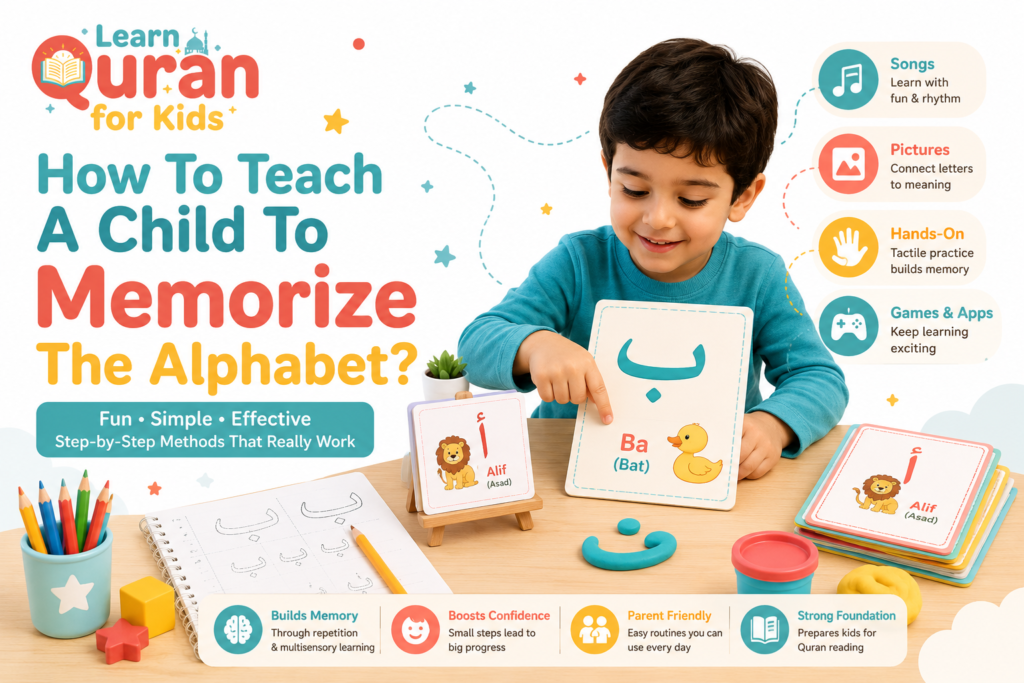
Every parent hits the same wall. Your child looks at the letter “Alif” for the tenth time this week and still can’t name it. You’re not doing anything wrong.
Learning how to teach a child to memorize the alphabet isn’t about drilling harder — it’s about matching the method to how young children actually retain information: through play, repetition, and the senses, not through worksheets alone.
This guide walks through the specific techniques that work, why they work, the mistakes that quietly slow children down, and how to build a short daily routine you can actually stick to.
1. Repeat Through The Song
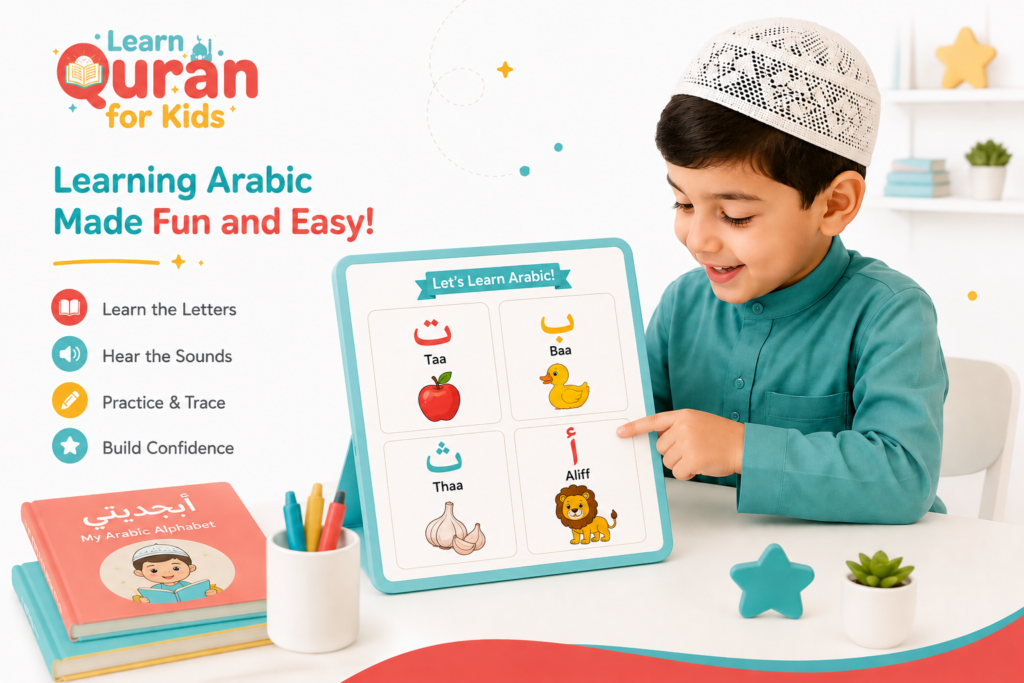
Play alphabet songs daily so the child becomes used to pronouncing each letter with a natural, enjoyable rhythm. Repetition through music reduces the pressure of “getting it right” that direct drilling creates.
Read also: Arabic Alphabet Learning for Kids
Read also: 7 Best Arabic Children’s Books With English Translation for Kids
2. Introduce Gradually
Show one or two letters per session. Overloading a session with too many new letters scatters the child’s attention and slows retention rather than speeding it up.
3. Connect To Images
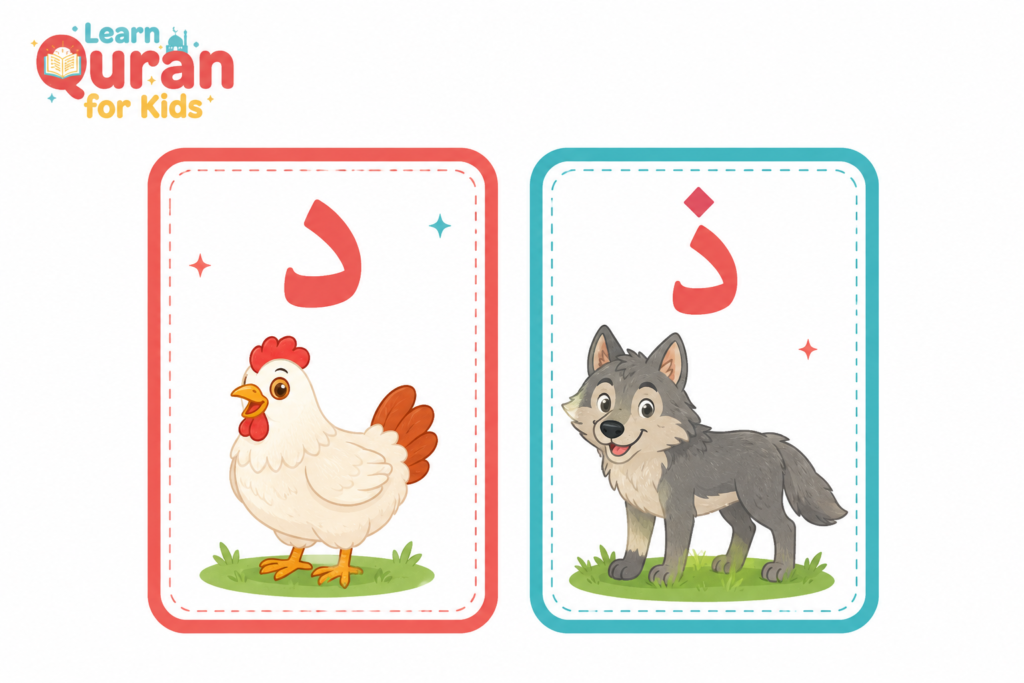
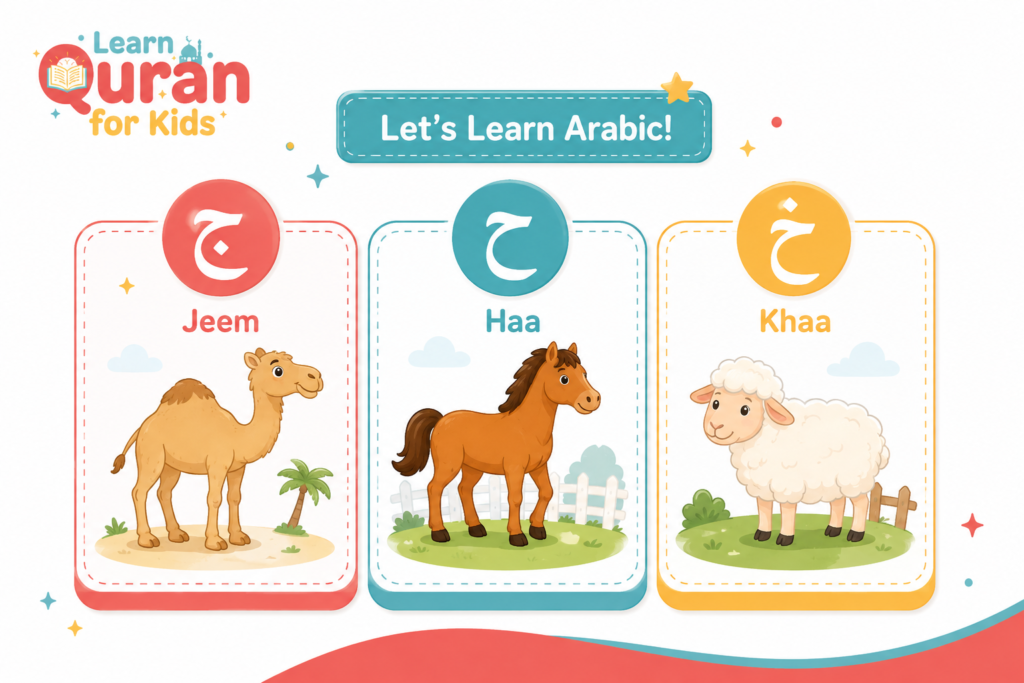
Assign each letter a word it links to (Alif = Asad/lion) and use colorful, tactile cards the child can hold and move.
Read also: How to Learn Arabic for Kids
4. Learn Through Play
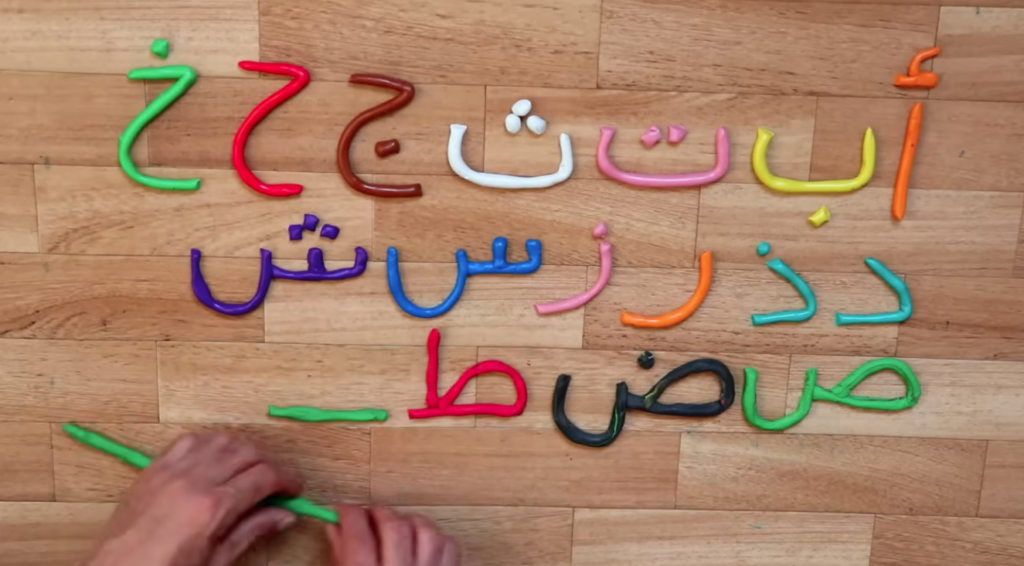
Use play-dough to shape letters, or let the child trace a letter drawn in sand. The physical motion of forming the letter by hand builds muscle memory alongside visual memory.
Want a done-for-you version of this sequence, built specifically around Quranic Arabic letters? Learn Quran for Kids structures its foundational alphabet sessions exactly this way — song, gradual pacing, image, and tactile practice — so children build Arabic letter recognition before moving into Quran reading.
Read also: Arabic Words for Kids
Experience the Magic Firsthand
Watch these short clips from our live classes to see our interactive teaching tools, vibrant student-teacher interactions, and the fun, stress-free ways we make learning easy for kids!
Start Your Child’s Quran Learning Journey Today!
Join Kids Learning Quran Academy and help your child read the Quran with confidence through fun and guided lessons.
Book a Free Trial ClassRead also: Explaining Religion to a Child – The Complete Islamic Parent’s Guide
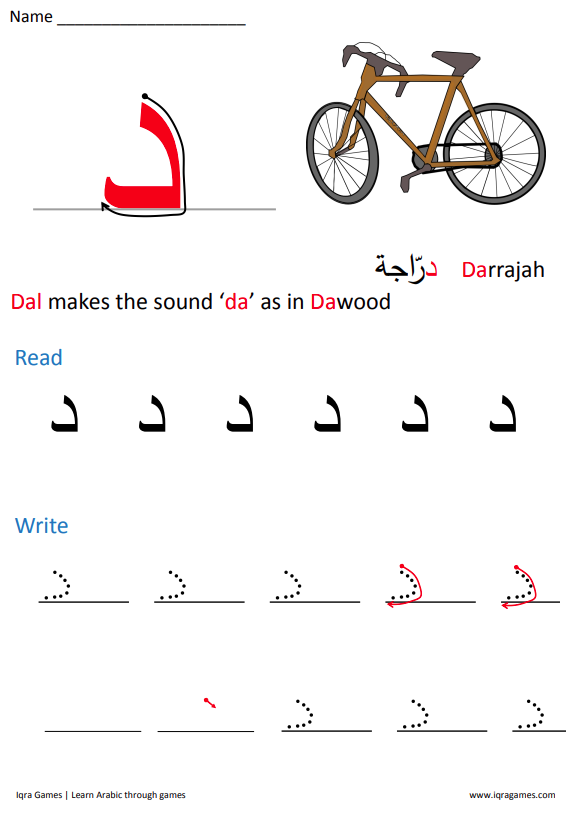
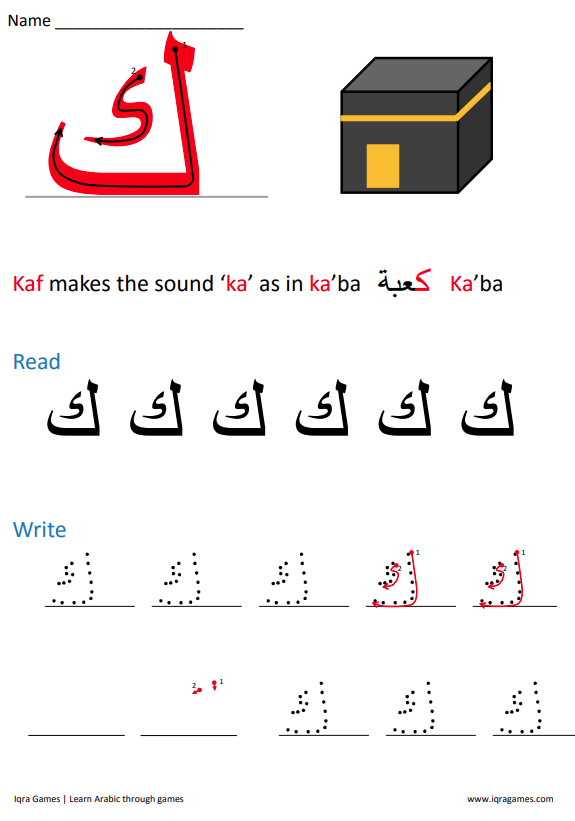
5. Using Worksheets The Right Way
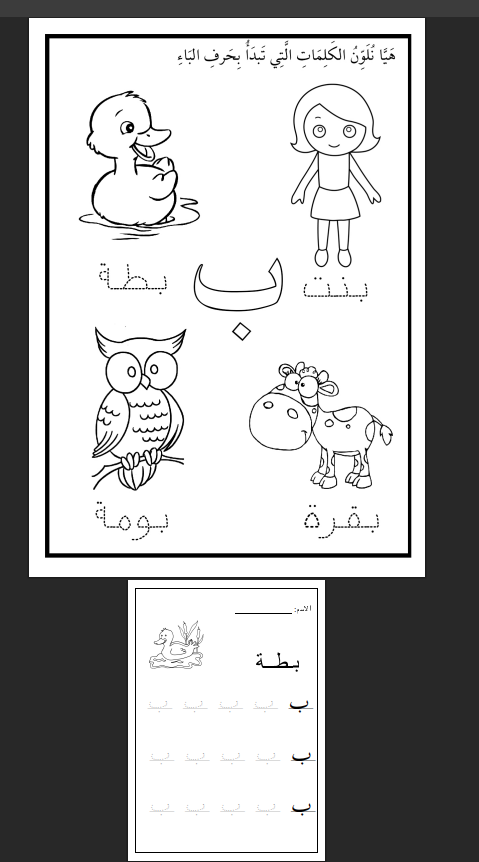
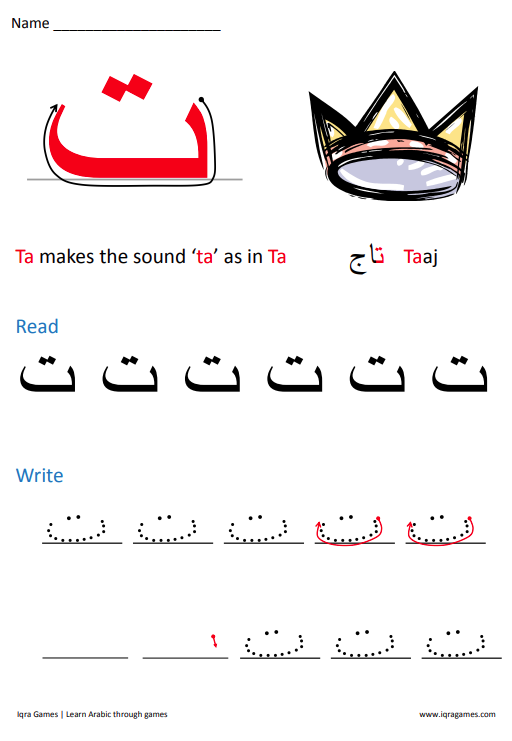
Alphabet worksheets work best as reinforcement after a letter has already been introduced through play, sound, and image — not as the first exposure to a new letter.
A worksheet asks a child to reproduce a shape from memory; if that memory hasn’t been built yet through multi-sensory learning, the worksheet becomes a frustrating guessing exercise instead of practice.
Many platforms offer free printable Alphabet worksheets, such as suprfamily, and BelarabyApps.
6. Using The Everyday Environment As Practice
Point out letters your child already knows on street signs, shop names, or in the names of family members. This connects the abstract alphabet to a world the child already recognizes, and it costs nothing beyond a walk outside.
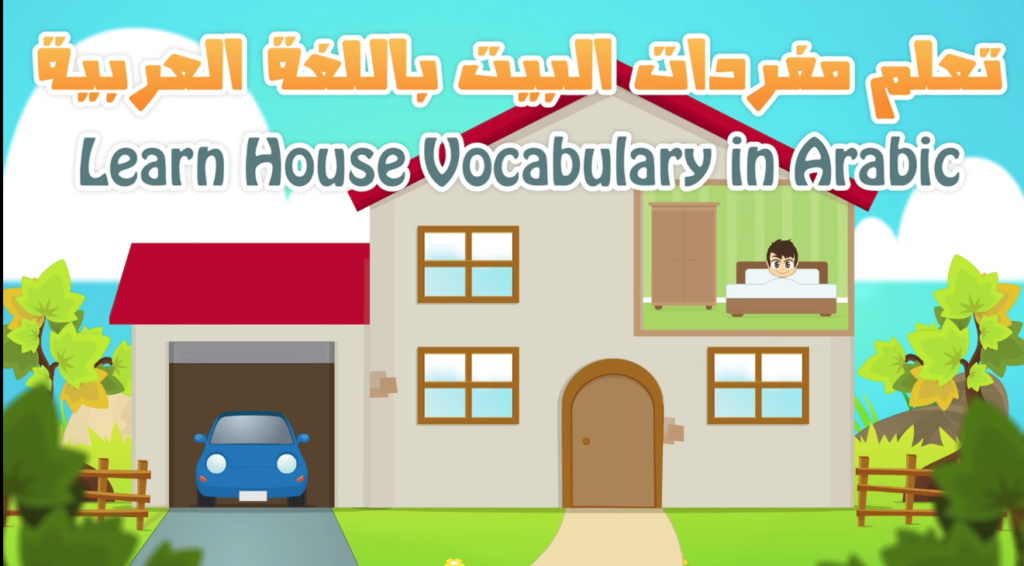
You can point out the house vocabulary in Arabic to connect the surroundings with the Alphabet.
Read also: Best 10 Apps to Learn Arabic for Kids
Read also: How To Learn Quranic Arabic For Kids?
7. Learning The Arabic Alphabet Through Stories
Learning the Arabic alphabet through stories makes learning more natural, memorable, and enjoyable for children.
Channels like Malek and Ratel and similar Arabic kids’ channels introduce letters through colorful characters, songs, repetition, and simple stories, helping children connect each letter with its sound and meaning.
This story-based approach keeps kids engaged while building a strong foundation for reading Arabic.
Read also: Arabic Story for Kids
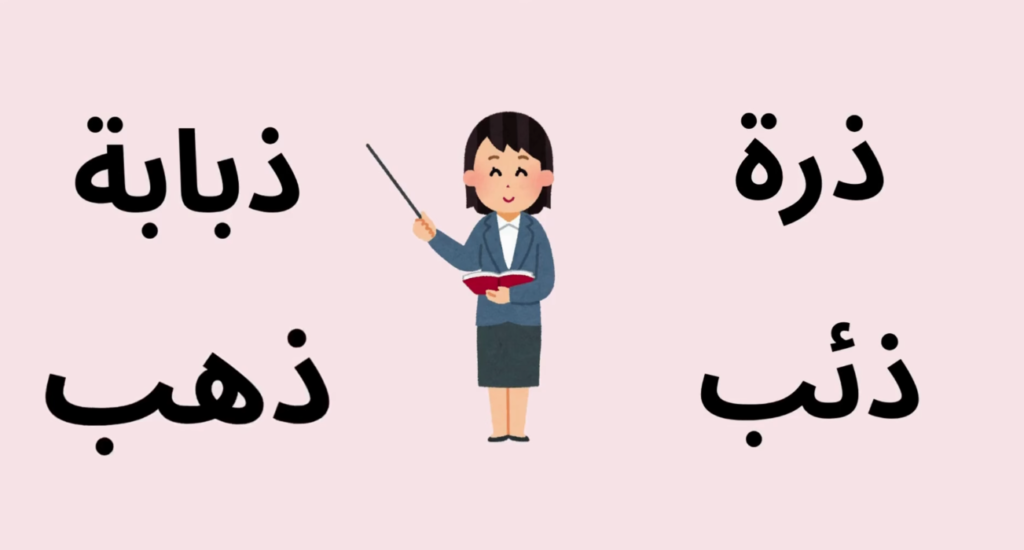
8. Learning The Arabic Alphabet For Kids
Learning the Arabic Alphabet app makes learning the Arabic alphabet fun and interactive for kids. It helps children recognize and trace each letter through colorful visuals and hands-on activities, while also introducing letter shapes, sounds, and their use in words.
Its playful approach keeps children engaged and helps build a strong foundation in Arabic reading.
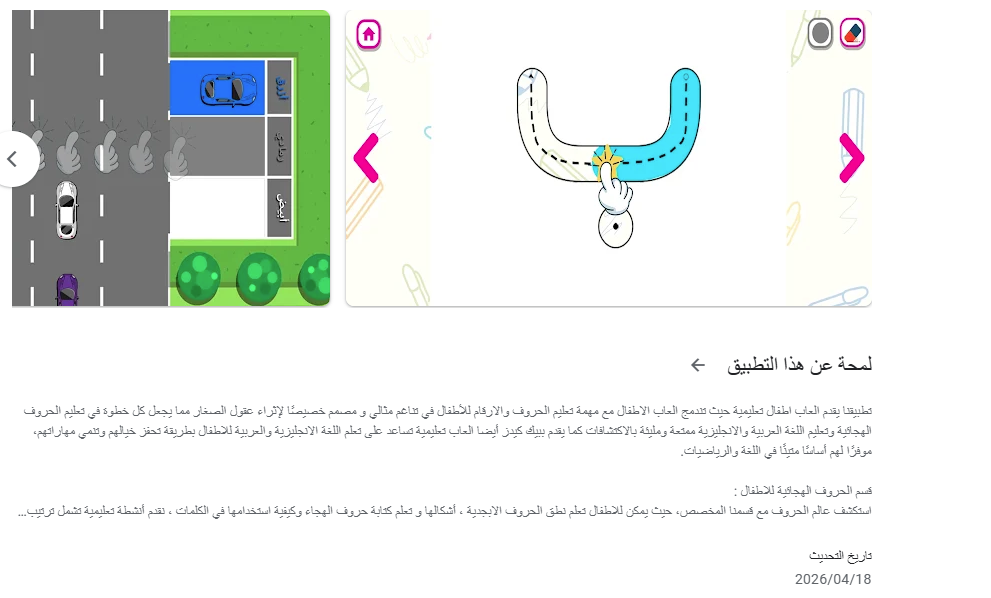
9. Rihlat Al-Huroof (Letter Journey)
Rihlat Al-Huroof (Letter Journey) makes learning the Arabic alphabet fun and engaging through interactive games, stories, and colorful characters. It helps children recognize letters, connect them with sounds, and develop early reading and writing skills while learning in a playful, enjoyable environment.
Read also: Arabic Games for Kids
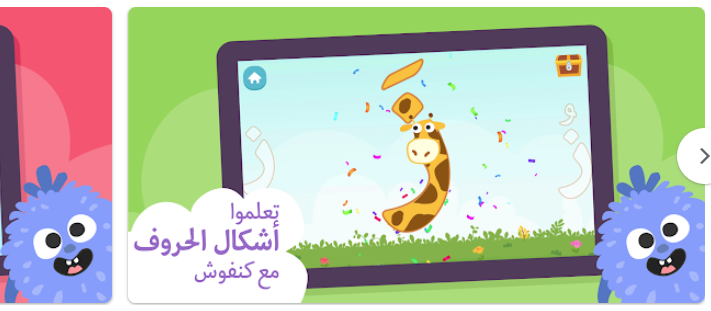
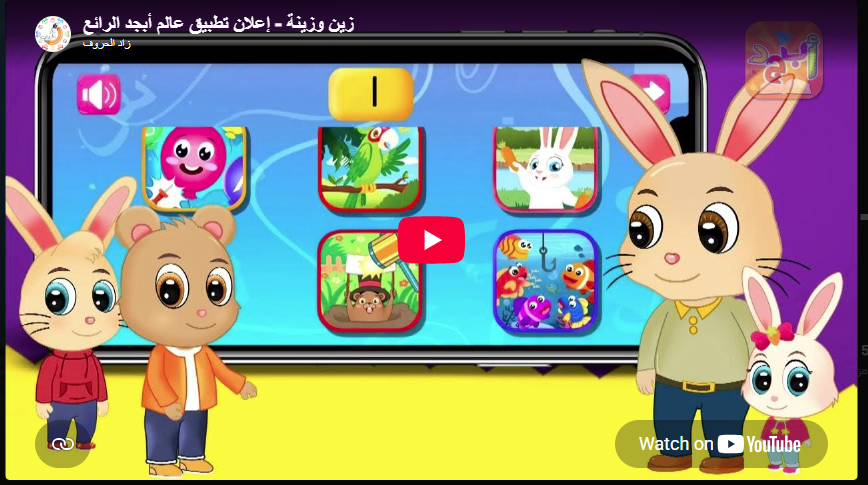
10. Aalam Abjad – Zad Al-Huroof
Aalam Abjad – Zad Al-Huroof makes learning the Arabic alphabet enjoyable for children through educational games, stories, and interactive activities. It helps kids recognize letters, learn their sounds and forms, and practice Arabic vocabulary in a fun, engaging environment designed to make early learning feel like play.
Read also: Best 10 Apps to Learn Arabic for Kids
Common Challenges In Teaching Children The Alphabet
Teaching children the Arabic alphabet can come with challenges that slow progress or reduce motivation, including difficulty remembering letter shapes, confusing similar sounds, weak concentration, boredom, limited response to formal instruction, and trouble with harakat or certain pronunciations.
Children may also struggle to connect letters with everyday situations or engage with poorly designed digital tools. One common mistake is repeating the same method when a child gets stuck; instead, changing the learning approach—such as using songs, tracing, games, apps, or stories—can make the letter easier to remember and keep learning enjoyable.
See Our Classes in Action!
Wondering what a typical lesson looks like? Take a peek inside our virtual classrooms below to see how our patient teachers keep students smiling, engaged, and learning every step of the way.
Start Your Child’s Quran Learning Journey Today!
Join Kids Learning Quran Academy and help your child read the Quran with confidence through fun and guided lessons.
Book a Free Trial ClassGet Guided Arabic Letter Instruction Built For Young Learners
Teaching the alphabet at home works, and it works even better with structured, age-appropriate lessons designed specifically for Arabic and Quranic learning. Learn Quran for Kids pairs certified instructors with a sequenced curriculum that takes children from individual letter recognition through to confident Quran reading, one short session at a time.
Our Courses Include:
- Tajweed for Kids
- Quran Memorization for Kids
- Quran Recitation Course for Kids
- Quran Classes for Toddlers
- Quran Tafseer for Kids
- Qaida for Kids
- Quran Reading Course for Kids
- Online Arabic Classes for Kids
- Quranic Arabic for Kids
- Islamic Studies Courses for Kids
- Islamic Studies for Kindergarten
- 5 Pillars of Islam for Kids
- Islamic Education for Kids
Start Your Child’s Quran Learning Journey Today!
Join Kids Learning Quran Academy and help your child read the Quran with confidence through fun and guided lessons.
Book a Free Trial ClassConclusion
Teaching a child to memorize the alphabet comes down to sequencing, not intensity: play and song first, gradual pacing, image and sound association, then hands-on tracing, and only afterward, worksheets as reinforcement.
Children aged 3 to 5 respond best to short sessions, familiar starting letters, and warmth rather than correction under pressure.
The parents who see the fastest, calmest progress aren’t the ones drilling longest — they’re the ones switching sensory channels when a letter stalls, instead of repeating the same failed approach more forcefully. Keep sessions short, keep the tone light, and let repetition happen through play rather than pressure.
FAQs
How Long Should A Daily Alphabet Session Be For A Young Child?
About ten minutes is enough for children aged 3 to 5. Sessions longer than this tend to produce diminishing returns, since attention span — not the child’s capacity to learn — becomes the limiting factor at this age.
What’s The Best Age To Start Teaching A Child The Alphabet?
Most children can begin around age 3, starting with the letters in their own name, since personal relevance holds their attention longer. Formal precision in writing isn’t the goal at this stage — familiarity and comfort with letters is.
Should Worksheets Be Used Before Or After Introducing A New Letter?
Worksheets work best after a letter has already been introduced through song, image, and play. Using a worksheet as the first exposure to a new letter often turns it into a frustrating guessing exercise rather than useful practice.
Why Does My Child Keep Confusing Similar-Sounding Letters?
Letters that sound or look similar are commonly confused at this age because the child hasn’t yet built multiple retrieval paths — sound, image, and motion — for each one.
Reinforcing the letter through a different sensory channel, rather than repeating the same method, usually resolves this faster.
What Should I Do If My Child Forgets A Letter They Learned Before?
Correct it warmly and repeat the letter together rather than correcting sharply. Children associate the emotional tone of a session with the material itself, so a tense correction can slow retention even when the correction is accurate.
Related Articles
Learn Arabic