 Learn Islam
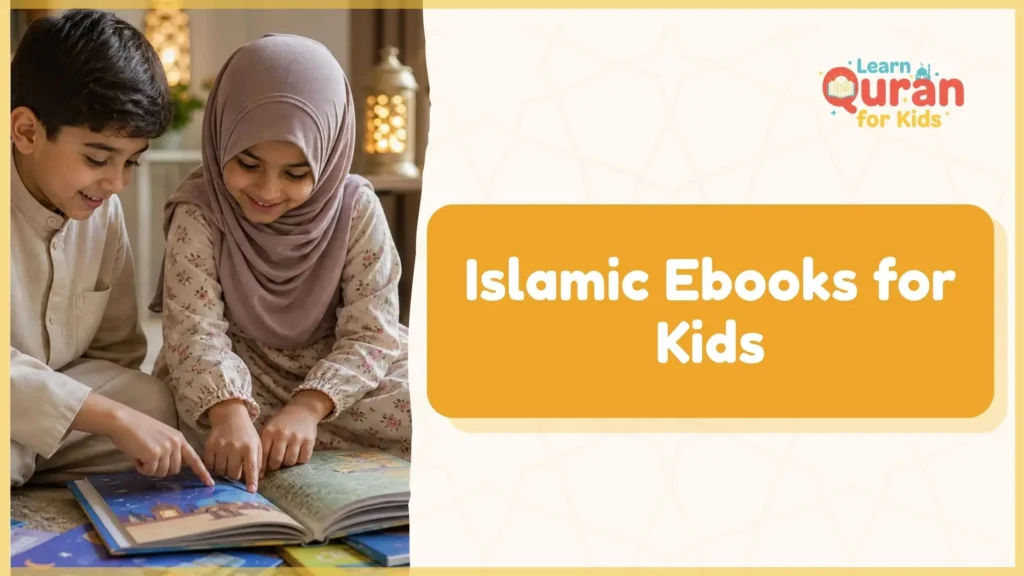
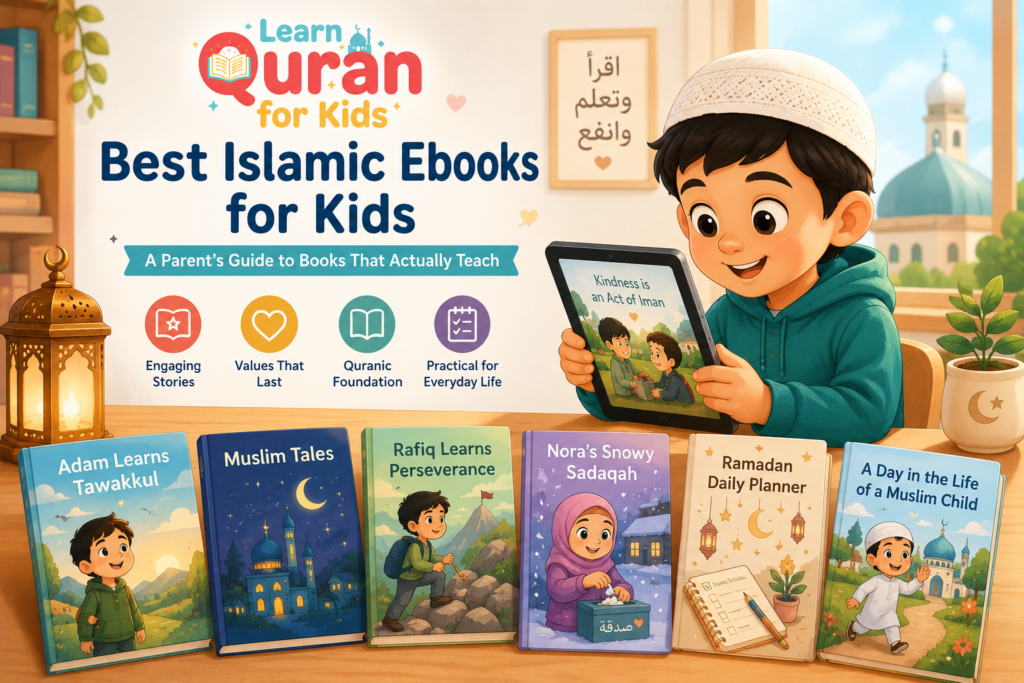
Your child spends hours on screens — but are any of those minutes building their Islamic character? Islamic ebooks for kids have come a long way from scanned PDFs and clip-art pages. The best ones today are illustrated, interactive, and grounded in Quranic values that children can genuinely understand and apply.
This guide walks through the best Islamic ebooks for kids available right now — covering storybooks, daily planners, and character-building reads — and gives you a practical framework for choosing the right one based on your child’s age and what you want them to learn.
Looking for structured Islamic learning to accompany what your child reads? Learn Quran for Kids offers expert-guided Quran and Islamic studies courses designed specifically for children.
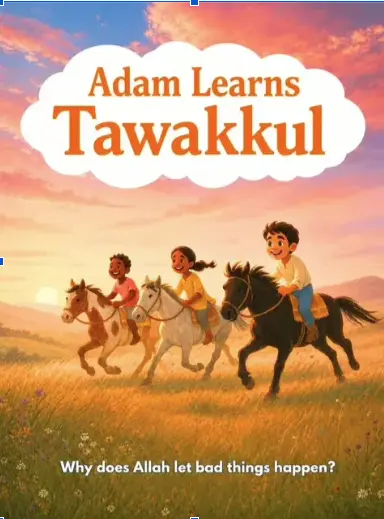
1. Adam Learns Tawakkul — Trusting Allah When Plans Fall Apart
Adam Learns Tawakkul centers on a child named Adam whose horse runs away, derailing his farm chores. Rather than spiraling into frustration, Adam adapts: he finds a cow to plow the fields and invents a tool to pick apples from a tree. The message is not “everything works out magically” — it’s that Tawakkul means trusting Allah while taking practical steps.
What it teaches: Tawakkul (reliance on Allah) paired with problem-solving — a combination rarely taught together in children’s Islamic books.
Best for: Ages 5–9. The farm setting and practical inventions hold the audience’s attention; the concept is explained through action, rather than narration.
2. Muslim Tales: The Elephant & the Ant — Why Arrogance Always Falls Short
Inspired by the fable tradition, Muslim Tales: The Elephant & the Ant follows an elephant who bullies every animal in the forest because of his size — until a tiny ant proves him wrong. The story draws on themes from Quranic stories about pride and humility without directly lecturing children.
What it teaches: the danger of arrogance (kibr) and the strength found in those we underestimate — including ourselves.
Best for: Ages 4–8. The fable format is familiar, which reduces resistance from children who “don’t like Islamic lessons.”
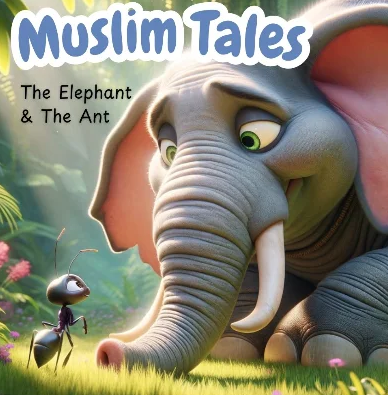
A practical note for parents: this book works especially well for children who are beginning to tease or exclude peers at school. The elephant’s eventual humbling is memorable, not preachy.
Read also: Islamic Manners for Kids
3. Rafiq Learns Perseverance — The Bear Who Didn’t Give Up
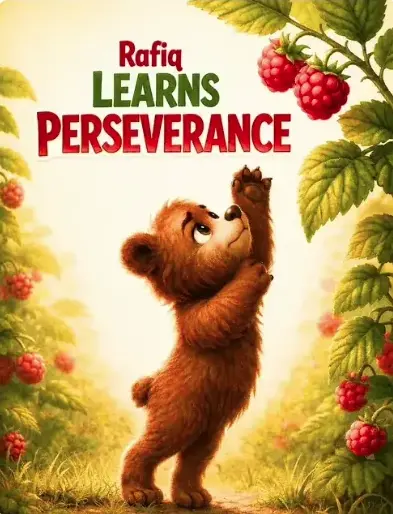
Rafiq Learns Perseverance tells a story of a young bear who loves raspberries — but the ripest ones are always just out of reach. The story follows his determination through repeated failure and eventual success. Its Quranic anchor is direct: “With hardship comes ease” (Surah Ash-Sharh:5–6), introduced naturally within the story rather than bolted on at the end.
What it teaches: Sabr and perseverance, grounded in a specific Quranic verse. The book models productive patience — continuing to try, not just waiting.
Best for: Ages 5–10. Particularly useful for children facing a specific challenge — learning to read, mastering a sport, or memorizing Surah.
Read Also: Teaching Children Islam
Read also: Islamic Moral Stories for Kids
Shots Videos from Our Courses
Start Your Child’s Quran Learning Journey Today!
Join Kids Learning Quran Academy and help your child read the Quran with confidence through fun and guided lessons.
Book a Free Trial ClassRead Also: Best Islamic 11 Games for Kids
4. Nora’s Snowy Sadaqah — Giving Without Being Asked
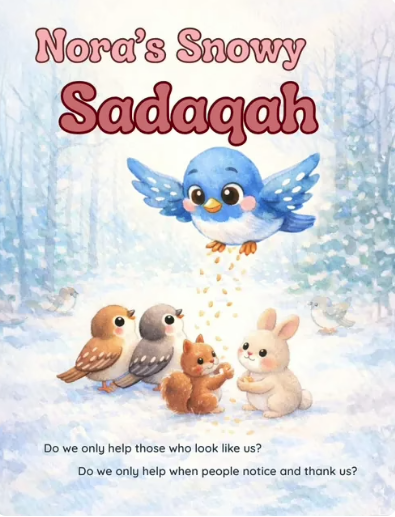
Nora’s Snowy Sadaqah is about a sparrow who shares her seeds with the animals around her — not because anyone asked, and not because anyone is watching. When a storm hits, the shelter built through shared effort protects everyone. The story tackles two questions children genuinely wonder about: “Do we only help people who look like us?” and “Do we only give when someone will notice?”
What it teaches: Sadaqah as sincere, unconditional giving — one of the most important Islamic character lessons for children in diverse social environments.
Best for: Ages 4–8. The snowy animal setting is visually engaging; the two questions posed on the cover make it a natural conversation starter for parents.
Read also: Islamic Story Books for Kids
5. Ramadan Daily Planner — A Structured Companion for the Blessed Month
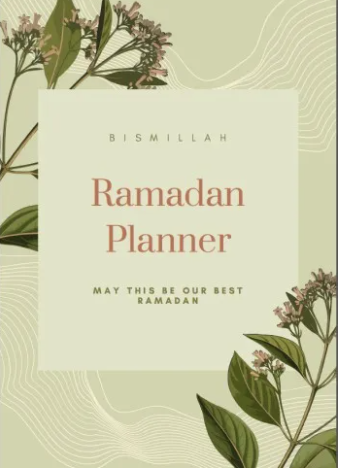
Ramadan Daily Planner is not a storybook — it is a daily-use planning tool for children observing Ramadan. Each day’s page includes a Hadith of the Day, a Deed of the Day, a Prayer Tracker (Fajr through Tahajjud with Sunnah columns), a Qur’an Tracker (verses, Surahs, and Juz), a Daily Checklist, and a Du’a of the Day in Arabic with full translation.
What makes it stand out among Islamic ebooks for kids: the structure mirrors how adult Ramadan planners work, but the language and layout are genuinely child-accessible. The Du’a of the Day is written in full Arabic script alongside English translation — children see Arabic as a living language they can engage with, not an obstacle.
What it teaches: daily worship structure, consistent Quran engagement, and the habit of starting each day with intention.
Best for: Ages 8–14. Children who already pray regularly will find the prayer tracker motivating rather than burdensome.
Practical tip: Use the Deed of the Day as a family dinner conversation prompt — “Did anyone do their deed today?” creates accountability without pressure.
Read also: Ramadan Books for Kids
6. A Day in the Life of a Muslim Child — Daily Islamic Routine Made Visual
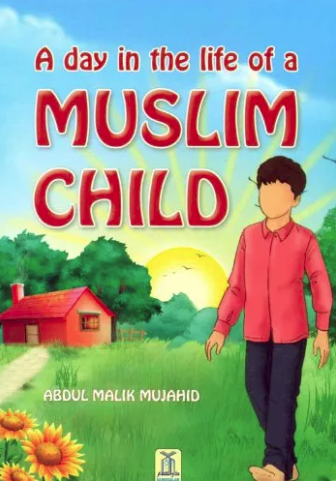
A Day in the Life of a Muslim Child ebook walks children through an Islamic daily routine — morning adhkar, prayer times, acts of kindness, and evening reflection — presented through the life of a relatable child character. It turns the Islamic daily schedule from an abstract obligation into something a real child actually lives.
What it teaches: the structure of an Islamic day, including dhikr, prayer, and good deeds, shown as normal and achievable.
Best for: Ages 5–10. Especially useful for children just beginning to pray or build Islamic morning/evening habits.
Read also: Good Deeds for Kids
Age-Fit Guide: Matching Islamic Ebooks to Your Child
| Age Range | Recommended Books | Primary Focus |
| Ages 4–6 | Muslim Tales: The Elephant & the Ant, Nora’s Snowy Sadaqah | Simple moral lessons through familiar story formats |
| Ages 5–9 | Adam Learns Tawakkul, Rafiq Learns Perseverance | Character values anchored to Quranic concepts |
| Ages 8–12 | Ramadan Daily Planner, A Day in the Life of a Muslim Child | Structured worship habits and daily Islamic routine |
| Ages 10–14 | Ramadan Daily Planner | Independent tracking, Quran goals, and consistent prayer |
The most common mistake parents make is choosing a book by topic alone (“I want my child to learn about Ramadan”) without checking whether the format matches the child’s developmental stage. A 5-year-old handed a structured planner will disengage in two days; a 12-year-old given a picture book about a bear will set it aside without reading it. Match the format first, then the topic.
Read Also: The Ultimate Islamic Quiz Games for Kids With Questions
Our Students Reviews
Start Your Child’s Quran Learning Journey Today!
Join Kids Learning Quran Academy and help your child read the Quran with confidence through fun and guided lessons.
Book a Free Trial ClassStart Your Child’s Quran and Islamic Journey Today
Islamic ebooks plant seeds — but consistent, structured learning is what makes those seeds grow. At Learn Quran for Kids, your child gets expert-guided Quran and Islamic studies courses taught by qualified instructors who understand how children think, learn, and stay motivated.
Whether your child is just beginning to recognize Arabic letters or is ready to begin Hifz, there are a variety of courses designed exactly for their level.
- Online Arabic Classes for Kids
- Noorani Qaida for Kids
- Tajweed for kids
- Quran Reading Course for Kids
- Quran Memorization Course for Kids
- Quran Tafseer for Kids
- Islamic Studies Courses for Kids
Conclusion
The best Islamic ebooks for kids share a common quality: they teach a single, specific Islamic value through story, not lecture. Adam Learns Tawakkul teaches reliance on Allah through problem-solving. Rafiq Learns Perseverance anchors Sabr to Quranic verses. Nora’s Snowy Sadaqah reframes giving as sincere and unconditional. The Ramadan Daily Planner turns the blessed month into a structured, child-accessible worship experience.
The right book for your child depends less on the cover and more on two things: the Islamic concept you want to strengthen at this time, and the format that matches your child’s age. Use the age-fit guide above to narrow your choice, and remember that reading together — even for five minutes — multiplies the impact of every book.
Islamic ebooks for kids are a starting point, not a complete education. Pair them with consistent Quran learning and Islamic studies, and you give your child both the inspiration and the foundation to grow.
Frequently Asked Questions
What Makes The Best Islamic Ebooks For Kids Worth Reading?
Not every Islamic ebook for kids earns its place on your child’s device. A colorful cover and an Arabic title don’t automatically make a book effective. Before looking at specific titles, it helps to know what separates genuinely useful Islamic ebooks from ones that feel good to purchase but don’t actually change anything.
What Are The Three Things That Make An Islamic Ebook Work?
First: a single, clear Islamic concept per book. Children ages 4–10 absorb one idea deeply far better than five ideas shallowly. A book about Tawakkul should be about Tawakkul from cover to cover — not a general Islam overview. The books on this list each focus on one core value.
Second: story over lecture. Research in children’s literacy consistently shows that children retain moral lessons from narrative 4–5 times more effectively than from direct instruction. An ebook that shows a character experiencing perseverance teaches the concept far better than one that defines it.
Third: age-appropriate connection to the Quran or Sunnah. The best Islamic ebooks for kids don’t just teach a virtue — they anchor it to a verse, a hadith, or a prophetic example. That link is what transforms a generic “be kind” story into an Islamic story.
What Are The Best Islamic Ebooks For Kids Ages 4–6?
The best Islamic ebooks for children ages 4–6 are Muslim Tales: The Elephant & the Ant and Nora’s Snowy Sadaqah. Both use familiar story formats — fable and animal characters — to teach core values (humility and generosity) without direct instruction. Short pages and strong illustrations make them accessible for pre-readers listening along.
At What Age Should Children Start Reading Islamic Books Independently?
Most children begin independent reading between the ages of 6 and 8. Islamic ebooks such as Adam Learns Tawakkul and Rafiq Learns Perseverance are ideal first independent Islamic reads at this stage because they use narrative rather than instructional language. For ages under 6, shared reading with a parent multiplies comprehension and opens natural conversations about Islamic values.
Are Islamic Ebooks As Effective As Printed Islamic Books For Kids?
Islamic ebooks are equally effective for learning when they use the same core elements: narrative structure, clear illustrations, and a single focused Islamic concept. The format (digital vs. print) matters less than the quality of the content. Ebooks have the added advantage of accessibility — they can be on any device, making consistent reading easier for busy families.
What Islamic Concept Should I Introduce To My Child First?
Most Islamic educators recommend beginning with Tawheed (belief in Allah’s oneness) and basic manners (Adab) before moving into specific virtues. For ebooks specifically, starting with Sadaqah — through Nora’s Snowy Sadaqah — tends to work well because generosity is immediately observable and easy for young children to practice the same day they read the story.
How Do I Use An Islamic Ebook To Start A Conversation With My Child?
The most effective approach is to pause before the final page and ask: “What do you think is going to happen?” After finishing, ask one question tied to real life: “Has anyone ever been mean to you like the elephant? How did it feel?” These two moments — one predictive, one connective — are what turn a read-aloud into a values conversation.
Can Islamic Ebooks Replace Structured Quran And Islamic Studies Classes?
Islamic ebooks build inspiration, vocabulary, and emotional connection to Islamic values — but they do not replace structured learning. Quran recitation, Tajweed, and formal Islamic knowledge require consistent practice with qualified instruction. Think of Islamic ebooks as the motivation layer, and structured classes as the foundation layer. Both serve different and complementary purposes.